In brief · summary: Cincinnati
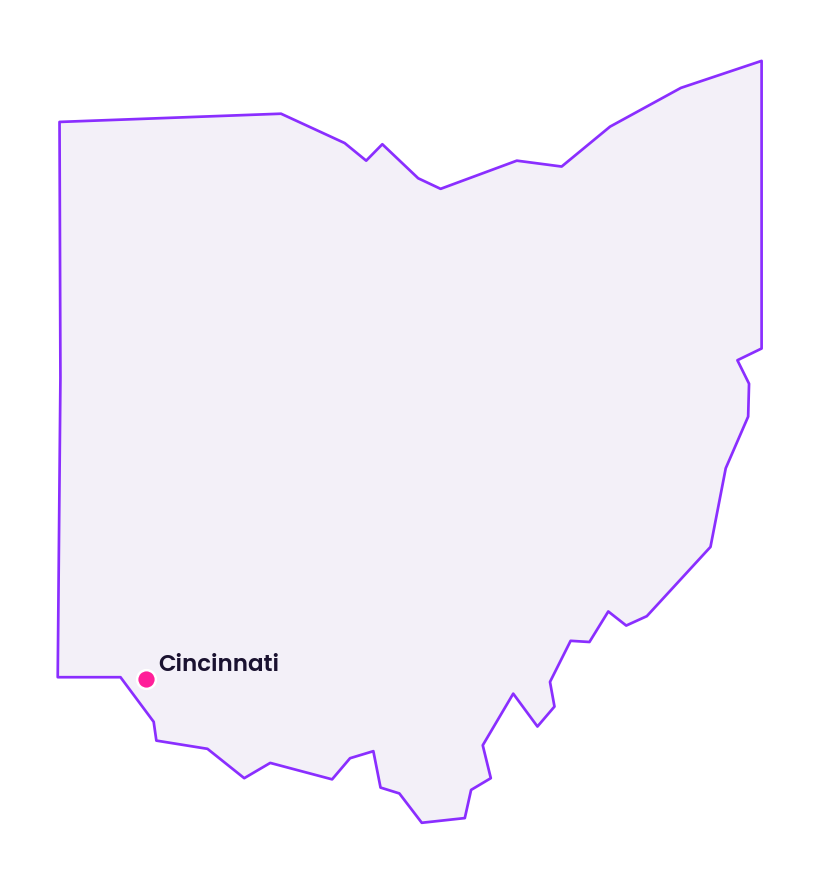
Cincinnati is a long established city in the Ohio River valley and is the core of a multi state metropolitan area that spans Ohio, Kentucky, and Indiana. Public data from the United States Census Bureau, the American Community Survey, the Bureau of Labor Statistics, the Bureau of Economic Analysis, and the United States Department of Housing and Urban Development portray Cincinnati as a diversified regional center with significant employment in consumer goods, grocery and retail headquarters, financial services, health care, education, and logistics.
This review does not restate current numerical values, even though they exist in the named sources, and instead focuses on structure, relative relationships, and investor implications. The housing landscape within the city of Cincinnati is a mix of historic single family homes, two and three family houses, small apartment buildings, and larger multifamily communities in and around the central business district and university areas.
Multifamily demand is supported by a large renter population that includes students, health care workers, corporate staff, logistics and manufacturing employees, and service workers. Single family homes and small multi unit properties provide opportunities for both owner occupants and investors in many neighborhoods. Commercial real estate reflects the city’s role as a headquarters location for consumer brands and financial institutions, as well as …
Section 01Executive Summary
Cincinnati is a long established city in the Ohio River valley and is the core of a multi state metropolitan area that spans Ohio, Kentucky, and Indiana. Public data from the United States Census Bureau, the American Community Survey, the Bureau of Labor Statistics, the Bureau of Economic Analysis, and the United States Department of Housing and Urban Development portray Cincinnati as a diversified regional center with significant employment in consumer goods, grocery and retail headquarters, financial services, health care, education, and logistics. This review does not restate current numerical values, even though they exist in the named sources, and instead focuses on structure, relative relationships, and investor implications.
The housing landscape within the city of Cincinnati is a mix of historic single family homes, two and three family houses, small apartment buildings, and larger multifamily communities in and around the central business district and university areas. Multifamily demand is supported by a large renter population that includes students, health care workers, corporate staff, logistics and manufacturing employees, and service workers. Single family homes and small multi unit properties provide opportunities for both owner occupants and investors in many neighborhoods.
Commercial real estate reflects the city’s role as a headquarters location for consumer brands and financial institutions, as well as a logistics node along interstate and river corridors. Office space is concentrated downtown and in a few secondary nodes, industrial and logistics properties line interstate routes and riverfront areas, and retail includes downtown streets, neighborhood business districts, and grocery anchored centers.
For accredited investors, Cincinnati offers income oriented opportunities in multifamily, single family rentals, industrial and logistics facilities, and necessity retail, with pricing and yields that are generally more attractive than in coastal gateways. At the same time, it presents risks related to modest population growth, dependence on a limited number of large employers, physical and climate risks associated with river flooding and severe weather, and city fiscal and political dynamics. The following sections provide a structured analysis by theme.
Section 02Population and Migration
The United States Census Bureau’s decennial counts and annual estimates show that the city of Cincinnati has experienced long run population decline from its mid twentieth century peak, followed by a period of stabilization and modest recovery in some recent years, while the broader metropolitan area has continued to grow at a modest pace. American Community Survey data confirm that some neighborhoods near downtown and the university have gained residents, while other parts of the city have continued to lose population.
Migration patterns can be inferred from Census components of change at the county and metropolitan levels. Hamilton County, which contains Cincinnati, has seen a combination of net domestic out migration to surrounding suburban counties and to other states, partial offset from international in migration, and natural increase. At the metropolitan level, suburban and exurban counties in Ohio and Kentucky have absorbed population from the urban core, as households seek more space, schools, and different lifestyle attributes.
Within the city, population trends are polarized. Revitalized neighborhoods near downtown, the riverfront, and the main university campus have attracted new residents, often young professionals and students. Other neighborhoods, particularly those with legacies of industrial decline and disinvestment, have lost residents and have higher shares of vacant properties. This spatial pattern influences where multifamily and single family investment can expect stable or growing demand versus where risk of further decline is higher.
For investors, the key implication is that overall city or metropolitan population figures are less important than neighborhood level trajectories. Areas with growing or stabilizing populations, improved amenities, and better safety perceptions can support investment strategies, while areas with continued decline may require careful underwriting and a clear risk thesis.
Section 03Jobs and Economic Anchors
The Bureau of Labor Statistics and the Bureau of Economic Analysis describe a metropolitan economy that is diversified across several major sectors. Consumer goods and household products manufacturing and headquarters operations constitute one anchor. Large grocery and retail companies, with headquarters and major operations in the region, form another. Financial and insurance services, including regional banks and insurance carriers, contribute significantly to employment and output. Health care and higher education institutions, including the main university and hospital systems, add a stable base of jobs and income.
Transportation and warehousing are also prominent, given Cincinnati’s position along the Ohio River and its connection to interstate highways and rail networks. Air cargo operations at the regional airport across the river in Kentucky play an important role in logistics and online commerce fulfillment for the wider region.
Public employment at city, county, and state agencies, as well as at universities and public schools, provides additional stability. Manufacturing remains part of the economic base, though with fewer jobs than in earlier decades, and is now focused on advanced manufacturing, automotive related production, and food processing.
For real estate investors, this economic mix supports demand for urban and near urban multifamily housing that serves professionals, students, and service workers, workforce housing in neighborhoods near hospitals, universities, plants, and distribution centers, industrial and logistics properties near interstate junctions, river terminals, and the airport, and office space downtown and in a few suburban nodes, subject to evolving workplace patterns. The risks include exposure to decisions by large headquarters companies, which could reshape demand if office or employment footprints change significantly, and sensitivity of manufacturing and logistics demand to national and global economic cycles.
Section 04Income
Income statistics from the American Community Survey show that median household income in the city of Cincinnati is lower than the metropolitan and national medians, reflecting the concentration of lower income households in some neighborhoods and the out migration of higher income households to suburbs. At the metropolitan level, the combination of higher income suburban communities and lower income urban neighborhoods produces a more balanced picture, with median household income closer to national values.
Income distribution data for the city and county reveal significant inequality. Downtown and some near downtown neighborhoods have seen an influx of higher income households, while many neighborhoods on the west and portions of the east side have median incomes well below the metropolitan average. Poverty rates in certain tracts exceed statewide and national averages.
Personal income data from the Bureau of Economic Analysis for the metropolitan area and for Hamilton County show that wages and salaries in consumer goods, retail, finance, health care, education, and logistics are the main components of earned income, with transfer payments and retirement income contributing meaningful shares in older and lower income areas.
For investors, this income structure implies that Class A multifamily projects in central neighborhoods must target a relatively narrow but meaningful band of higher income renters who can afford higher rents and amenity packages, that Class B and C multifamily and single family rentals must align rent levels with the incomes of local workers who may be more sensitive to rent increases, and that there is persistent demand for affordable and workforce housing, especially near employment centers and reliable transit or commuting routes. Income growth is likely to be modest in many segments, which constrains aggressive rent growth assumptions and highlights the importance of operational efficiency and long term capital planning.
Section 05Housing and Multifamily
Cincinnati’s housing stock is older than that of many high growth Sun Belt cities, with a large proportion of structures built before the mid twentieth century. Census data and American Community Survey housing characteristics confirm a mix of single family detached structures, attached houses, and multifamily buildings of varying scales. Many neighborhoods consist of brick or frame houses on small lots, two and three family properties, and small apartment buildings. Larger garden style communities and mid rise apartment buildings are found near the central business district, around the main university, and in some suburban style areas within the city.
The historic housing stock offers architectural character but often requires significant maintenance and capital expenditures to address aging systems, building envelopes, and code compliance. In some revitalizing neighborhoods, older buildings have been renovated into market rate apartments and condominiums, while in others they remain in need of substantial investment.
Multifamily demand varies by area. Downtown and near downtown markets have seen increased interest from young professionals, students, and some downsizing households who value proximity to employment, entertainment, and the riverfront. University adjacent submarkets have stable or growing demand from students, faculty, and staff. Neighborhoods near major hospitals and employment centers also see steady rental demand.
In other neighborhoods, multifamily and small rental properties serve lower income renters, some of whom rely on voucher programs or other subsidies. These properties can experience higher turnover and credit risk but may offer higher capitalization rates if acquired and managed effectively.
For investors, multifamily in Cincinnati supports several potential strategies. These include core and core plus investments in newer or fully renovated buildings in central and university submarkets, value add strategies in well located older buildings where modernization can justify higher rents within realistic local income parameters, and workforce housing investments in stable neighborhoods with access to employment and services, with a focus on maintaining affordability and improving quality.
Section 06Rents
Rent levels in Cincinnati are moderate compared with many large coastal and Sun Belt cities. American Community Survey gross rent distributions show that median and typical rents for the city and metropolitan area are below national medians in absolute terms. Fair market rent benchmarks from the Department of Housing and Urban Development for the metropolitan area provide reference points for modest two and three bedroom units, and many older Class B and C properties rent at or near these levels.
Private data sources such as CoStar, RealPage, Yardi Matrix, Zillow, and Redfin, which are not directly accessible here, capture more detailed patterns. They generally show that downtown and near downtown Class A properties command the highest rents, reflecting newer construction, amenities, and central locations, that neighborhood Class B properties with good access to transit, employment, and basic amenities have mid range rents that are affordable to many working households, that Class C and older stock in less advantaged neighborhoods has lower rents though rent burdens may still be high for local incomes, and that student oriented properties near the main university can achieve higher effective rents per bedroom, particularly in new or renovated buildings, although competition can be significant.
For investors, rent setting and growth assumptions must consider local incomes and rent to income ratios in each submarket, competition from both existing rental stock and affordable ownership options, and the balance between achieving higher rents through investment and the risk of pricing tenants out of the target segment. In many cases, the most resilient strategies will focus on incremental improvements and steady rent growth aligned with income trends, rather than aggressive repositioning that seeks to move assets into much higher rent tiers.
Section 07Vacancy
Vacancy trends reflect the differing strengths of Cincinnati submarkets. Citywide American Community Survey rental vacancy rates provide a general picture, but they combine stabilized and distressed neighborhoods. Private provider data at the property and submarket level, which cannot be reported numerically here, indicate that stabilized multifamily properties in strong locations, such as downtown, Over the Rhine, and university adjacent submarkets, maintain relatively low vacancy once they are established, that new Class A properties in central areas may experience elevated vacancy during leasing, especially if several projects deliver in a short period, that workforce housing in neighborhoods near hospitals, universities, and major employers tends to have steady occupancy subject to property condition and management quality, and that older properties in neighborhoods with ongoing population decline or limited employment access may have higher structural vacancy and more turnover.
For investors, vacancy assumptions should not rely on metropolitan averages. Instead, underwriting should consider the specific history of occupancy and turnover at the subject property and similar properties, the rate of absorption of new units in the relevant submarket, the impact of physical condition, amenities, and management practices on tenant retention, and potential transitional vacancy related to repositioning or renovation.
Section 08Supply Pipeline
The residential and multifamily supply pipeline for Cincinnati can be assessed through Census building permits and city and county permitting data. In recent years, most new multifamily construction has occurred near the central business district, in revitalized adjacent neighborhoods, and near the main university and medical centers. Projects include adaptive reuse of older commercial structures, new mid rise residential buildings, and mixed use developments that combine ground floor retail with upper floor apartments.
Suburban style multifamily has also been built in some outlying parts of Cincinnati and in adjacent jurisdictions across the river and in surrounding counties, reflecting metropolitan scale development patterns. However, the absolute volume of new multifamily units is modest compared with high growth southern and western metros.
Single family construction is more active in suburban counties outside the city, but some infill and small subdivision development occurs within city limits, particularly in areas where land is available and demand supports new product.
For investors, the supply pipeline implies that competition for tenants in central and university areas may increase during periods when several new projects deliver concurrently, that older Class A properties in central submarkets need to invest in maintenance and upgrades to remain competitive as new projects come online, and that neighborhoods with little or no new multifamily supply but stable or improving demand may offer opportunities for acquisitions and moderate rent growth. Monitoring building permits and planned projects through city and county portals is essential for understanding future competition.
Section 09Single Family Homes
Single family homes and small multi unit buildings are a core component of Cincinnati’s housing market. Many neighborhoods feature historic houses that date back several decades, with a mix of brick and frame construction. Single family values vary by area, from higher prices in certain hillside and near downtown neighborhoods to more modest prices in many residential communities further from the core.
Private data from Zillow, Redfin, and local listing services, not reported numerically here, show that median sale prices in Cincinnati are lower than national medians, and that price appreciation over the last cycle has been positive but less dramatic than in high growth regions. Affordability for owner occupants remains relatively favorable in many neighborhoods, although some central and revitalized areas have seen tighter inventory and higher prices.
Single family rentals in Cincinnati provide housing for families and individuals who prefer a house to an apartment or who are not ready or able to buy. Investors in single family rentals often target stable working and middle class neighborhoods with good access to schools, parks, and employment, small portfolios of houses and duplexes that can be managed efficiently and maintained at reasonable cost, and properties where modest renovation can improve livability and justify modest rent increases without overshooting local markets.
Investors must consider property taxes, insurance, maintenance costs for older structures, and tenant quality. While yields can be attractive relative to acquisition prices, capital expenditure needs may be higher than in newer markets due to aging building systems and materials.
Section 10Commercial Real Estate and Retail Centers
Cincinnati’s commercial real estate is distributed across office, industrial and logistics, and retail segments.
Office space is focused in the central business district, which hosts corporate headquarters, law firms, and service companies, and in a few decentralized business districts and suburban style office clusters. Recent trends in remote and hybrid work have reduced demand for some traditional office space, especially in older buildings. At the same time, some tenants have sought higher quality space with better amenities and flexibility, benefiting newer or recently renovated buildings in preferred locations.
Industrial and logistics properties are situated along interstate corridors and near the Ohio River and the metropolitan airport. These assets support manufacturing, warehousing, distribution, and online commerce operations. Industrial demand has been relatively strong compared with some other property types, as supply chains adapt to new patterns and as companies value Cincinnati’s central location and transportation access.
Retail real estate includes downtown corridors, neighborhood business districts, enclosed malls, and grocery anchored neighborhood centers. Grocery anchored centers serving stable residential communities tend to have steady occupancy and rent levels, while malls and discretionary retail properties face the same structural challenges seen nationally. Neighborhood retail in revitalizing areas can benefit from increased foot traffic and consumer spending, although tenant churn and small business risk must be managed.
For investors, commercial real estate opportunities in Cincinnati include industrial and logistics assets with good access to highways, rail, or air cargo facilities, grocery anchored neighborhood centers and essential service retail in stable communities, office investments only where buildings are well located and modern or renovatable at reasonable cost and likely to remain competitive in a work environment that gives tenants more choice, and small mixed use assets that combine residential units with ground floor retail in walkable neighborhoods.
Section 11Transactions and Capital Markets
Commercial and multifamily transactions in Cincinnati are tracked in county records and in proprietary datasets such as CoStar and MSCI Real Assets. Publicly, there is no comprehensive, current, numeric summary of transaction volumes and capitalization rates by property type and submarket that can be used directly here. Qualitative insights from public and brokerage reports indicate that Cincinnati is viewed as a secondary market that attracts regional and some national capital, especially in multifamily and industrial assets, that capitalization rates for multifamily, industrial, and grocery anchored retail are generally higher than those in major coastal gateway markets, providing potentially attractive yields for income oriented investors, that office valuations have adjusted as landlords and buyers price in structural demand changes, and that transaction volumes ebb and flow with capital market conditions, interest rates, and investor sentiment toward midwestern markets.
The market is liquid relative to smaller cities but has a narrower buyer pool than the largest metropolitan areas. For certain asset types and locations, particularly older office or retail in challenged neighborhoods, liquidity can be limited.
Investors must rely on up to date proprietary data and local brokerage knowledge for specific capitalization rate and pricing benchmarks when underwriting acquisitions or dispositions.
Section 12Taxes
Ohio and the City of Cincinnati levy taxes that affect real estate returns. The Ohio Department of Taxation administers state income and sales taxes, while local governments can impose additional earnings and property taxes. The City of Cincinnati levies a municipal earnings tax on wages and business income of residents and on certain income earned in the city by nonresidents, which influences location decisions for firms and households.
Property taxes are assessed primarily at the county level, and in Cincinnati this falls under Hamilton County. Properties are valued for tax purposes, and millage rates set by the county, city, school districts, and special districts determine actual tax bills. Effective property tax burdens vary by property class and location, and they are a significant operating expense for multifamily and commercial properties.
For investors, understanding property tax implications means reviewing current assessed values and tax bills for the subject property and comparables, recognizing that assessments may be adjusted after acquisition, especially following major renovations or changes in use, accounting for levy changes by local taxing entities over time, and considering the combined effect of state income taxes, city earnings taxes, sales taxes, and property taxes on net returns and tenant purchasing power. This review does not state specific numeric tax rates, because those are best confirmed against current Ohio Department of Taxation, City of Cincinnati, and Hamilton County schedules for the relevant year.
Section 13Insurance
Insurance for Cincinnati properties covers risks such as fire, theft, liability, wind and hail, severe thunderstorms, river and surface flooding, and winter weather. The Ohio Department of Insurance regulates insurers, but policy terms and premiums are driven by carrier risk models and claim histories.
Flood risk along the Ohio River and in low lying or poorly drained areas is mapped by the Federal Emergency Management Agency. Properties within special flood hazard areas require flood insurance if they carry federally related mortgages. Even properties outside mapped flood zones may experience localized flooding from heavy rainfall, especially in older neighborhoods with constrained drainage.
Severe thunderstorms and hail can damage roofs and building exteriors. Winter weather can lead to ice and snow accumulation, frozen pipes, and slip and fall risk. While Cincinnati does not face coastal hurricane risk, these hazards still influence underwriting and premium levels.
Investors should obtain property specific insurance quotes that reflect current risk assessments, review coverage limits, deductibles, exclusions, and endorsements, including for flood and business interruption, plan for potential increases in premiums and deductibles over time, especially if regional severe weather patterns change, and consider mitigation measures such as roof upgrades, drainage improvements, and building envelope maintenance that may reduce risk and limit insurance costs.
Section 14Landlord Tenant and Regulatory Environment
Ohio law governs landlord tenant relations for residential and commercial properties, with the Ohio Revised Code setting out obligations for landlords and tenants, requirements for notice, procedures for handling security deposits, and remedies for breach. The City of Cincinnati can adopt ordinances on housing codes, building standards, and specific aspects of rental operations, but there is no citywide traditional rent control system that caps rent increases for market rate units.
Residential landlords in Cincinnati must comply with habitability standards, fair housing laws, and procedures for entering premises, providing notices, and conducting evictions. Courts oversee eviction proceedings, which require proper notice and documentation. Certain properties that participate in federal housing programs or state and local affordable housing initiatives must follow program specific regulations, including rent and income limits and unit maintenance standards.
For commercial leases, parties have substantial freedom to negotiate terms, but landlords must still comply with building and safety codes and anti discrimination laws. Lease terms around rent, operating expenses, and default remedies are governed by contract, subject to overarching legal principles.
Investors should ensure that their lease forms and processes follow Ohio and Cincinnati requirements, that property management practices are aligned with legal obligations and best practices, that eviction and collections procedures are handled by knowledgeable staff or legal counsel, and that any plans for repositioning or redevelopment consider tenant protections and notice obligations.
Section 15Infrastructure
Cincinnati’s infrastructure includes road, rail, air, river, and transit systems that support its role as a regional hub. Interstate highways connect the city to other major metros and run through and near the urban core, facilitating commuter and freight movement. Bridges span the Ohio River to connect Cincinnati with Kentucky municipalities, linking labor and housing markets across state lines.
Rail infrastructure, operated by freight carriers and passenger services, supports cargo movement and regional mobility. The metropolitan airport located across the river in Kentucky is a significant passenger and cargo facility, underpinning logistics demand in the metro.
Public transit in Cincinnati consists of bus networks and, in some corridors, fixed guideway or rail like systems, though coverage and frequency are more limited than in some larger cities. Transit access influences housing and employment choices, particularly for lower income residents and those who prefer not to drive.
Water, sewer, and stormwater systems are managed by local utilities and authorities. Aging infrastructure and topography present challenges, especially in heavy rainfall events and in neighborhoods with combined sewer systems. Electric and gas utilities provide energy, with ongoing modernization and reliability efforts.
For investors, infrastructure quality and location relative to major routes and nodes are central location criteria. Assets near highways, river crossings, transit stops, universities, and hospitals benefit from better access and broader tenant and customer pools. Weak infrastructure or chronic congestion and drainage issues can undermine property performance.
Section 16Climate and Physical Risks
Cincinnati’s climate is continental, with cold winters, warm summers, and significant precipitation throughout the year. National Oceanic and Atmospheric Administration climate data show that the city experiences snow and ice in winter, thunderstorms and heavy rainfall in warmer months, occasional severe storms and tornadoes in the region, and occasional heat waves.
Physical risks that matter for real estate include river flooding along the Ohio River and its tributaries, which can affect riverfront and low lying neighborhoods and infrastructure, surface flooding from intense rainfall especially where stormwater systems are stressed, winter storms that impede travel, strain building systems, and create safety risks, and severe wind and hail that can damage roofs and windows.
Climate change projections for the region suggest potential increases in heavy rainfall intensity and more frequent extreme heat events, which can exacerbate flood risk and create additional stress on infrastructure and building systems.
Investors should integrate physical risk assessment into due diligence by reviewing federal flood maps and local flood records for each property, assessing building elevation, drainage, and building envelope condition, considering retrofits or design features that improve resilience, and factoring these risks into insurance planning and capital expenditure budgeting.
Section 17Neighborhoods and Submarkets
Cincinnati is composed of varied neighborhoods and submarkets with distinct characteristics. While detailed numerical comparisons are not available here, the relative patterns can be summarized in words.
Three broad residential and mixed use segments illustrate the range. Downtown and adjacent revitalized neighborhoods are driven by employment concentration, entertainment, dining, riverfront access, and university proximity, with a stock of larger multifamily buildings, loft and adaptive reuse units, mixed use projects, and condominiums, and they attract higher income renters and students, are sensitive to office and nightlife cycles, and require attention to property taxes and amenity competition. Established residential neighborhoods near employment corridors and schools are driven by access to jobs, schools, parks, and community institutions, with single family homes, two and three family properties, small multifamily, and neighborhood retail, and they support workforce and middle income strategies and offer stable demand but require capital for older stock and careful tenant management. Disinvested neighborhoods with population loss are driven by low housing costs, local community networks, and some proximity to industrial or logistics jobs, with older single family and small multifamily, vacant lots, and underused commercial properties, and they carry higher vacancy and credit risk but offer potential for targeted affordable and community oriented investment, requiring deep local expertise and strong risk tolerance.
There are also suburban style neighborhoods within city limits and in adjacent jurisdictions that may share characteristics with the second segment, and student oriented submarkets near the main university that have their own dynamics.
Section 18Opportunities
Cincinnati offers several opportunity themes for accredited investors.
First, multifamily investments in downtown and near downtown neighborhoods that have established demand from young professionals, students, and higher income renters may provide income and some appreciation potential, particularly in well located, well managed Class B assets that offer relative value compared with new Class A product.
Second, workforce housing in established residential neighborhoods, through acquisition and improvement of small multifamily properties and single family rentals, may provide relatively resilient cash flows when rents are aligned with local incomes and when properties are maintained and managed effectively.
Third, industrial and logistics assets along interstate corridors and near the airport and river can benefit from steady demand in distribution and manufacturing. Modern warehouses and distribution centers, and functional older facilities in strong locations, may support stable occupancy and moderate rent growth.
Fourth, grocery anchored neighborhood centers and essential service retail in stable communities may offer relatively defensive income streams, provided tenant credit and lease terms are solid.
Fifth, small mixed use properties that blend residential units with street level retail in walkable neighborhoods may produce a diversified income profile and benefit from neighborhood revitalization. The observations in this section are general and educational, are not projections, forecasts, or assurances of any particular return, yield, occupancy, rent level, or appreciation, and any specific investment must be evaluated on its own facts.
Section 19Risks
Key risks for investors in Cincinnati include demographic risk, as city population growth is modest and some neighborhoods continue to lose residents, limiting demand growth and potentially stranding some assets. Economic risk arises particularly from dependence on a limited number of major employers and sectors, since shifts in corporate location strategy, automation, or industry consolidation could reduce local employment. Office demand risk arises as remote and hybrid work may structurally reduce the need for office space and reshape downtown dynamics. Physical and climate risk includes river and surface flooding, severe storms, and winter weather, which can damage assets and infrastructure and increase insurance costs. Policy and fiscal risk includes changes in city and county taxation and incentives, public safety challenges, and infrastructure funding decisions, which can affect business and resident confidence. Finally, liquidity risk arises because, while Cincinnati is more liquid than many smaller markets, the buyer pool for certain asset types, especially older office and retail in weaker areas, can be limited. Real estate investments are speculative, are subject to market, financing, liquidity, tax, regulatory, insurance, and physical hazard risks, and can result in the loss of some or all of an investor's invested capital, including the possible loss of principal.
Section 20Investor Implications
For accredited investors, Cincinnati is best viewed as a market that can deliver attractive risk adjusted income in selected segments, rather than as a high growth appreciation story. Strategic implications include focusing on submarkets with clear, durable demand drivers such as proximity to major employers, universities, hospitals, and transit, aligning asset type and quality to tenant segments that are well represented in each submarket, for example Class B multifamily in emerging or stable urban neighborhoods or industrial assets near logistics nodes, underwriting conservatively with realistic assumptions for rent growth, vacancy, property taxes, insurance, capital expenditures, and tenant improvements, choosing capital structures with moderate leverage and sufficient reserves to navigate cycles and unexpected events, working with local partners who understand neighborhood dynamics, regulatory requirements, and tenant expectations, and balancing Cincinnati exposure with investments in other markets that have different economic and climate profiles to manage portfolio level risk. Nothing in this section is a recommendation to pursue any specific strategy or investment, and there is no assurance that any objective or outcome described will be achieved.
Section 21Conclusion
Cincinnati, Ohio remains a meaningful regional center with a diverse economy, a rich housing stock, and significant infrastructure assets. Its real estate markets offer an array of opportunities across multifamily, single family rentals, industrial and logistics, and necessity retail, at pricing levels that are generally more favorable than in larger coastal cities. However, investors must approach the market with awareness of its modest growth prospects, exposure to employer concentration, physical and climate risks, and local policy and fiscal considerations.
Carefully selected assets in strong or improving submarkets, combined with disciplined underwriting and active management, may produce income and measured appreciation potential for accredited investors, though no particular outcome or return is assured. This review has outlined the structural context for such strategies. All specific investment decisions should be grounded in current data from the cited public sources and from reputable private datasets, and supported by thorough due diligence.
Sources
- United States Census Bureau, American Community Survey one year and five year estimates, Cincinnati city and Hamilton County Ohio,, https://www.census.gov/programs-surveys/acs
- United States Census Bureau, Population and Housing Unit Estimates, Cincinnati and Hamilton County Ohio,, https://www.census.gov/programs-surveys/popest.html
- United States Census Bureau, Housing Vacancies and Homeownership, state and large metro tables including Cincinnati,, https://www.census.gov/housing/hvs
- United States Census Bureau, Building Permits Survey, Cincinnati metropolitan area,, https://www.census.gov/construction/bps
- United States Bureau of Labor Statistics, Economy at a Glance, Cincinnati OH KY IN metropolitan area,, https://www.bls.gov/eag/eag.oh_cincinnati_msa.htm
- United States Bureau of Labor Statistics, State and Area Employment, Cincinnati metropolitan area,, https://www.bls.gov/sae
- United States Bureau of Labor Statistics, Local Area Unemployment Statistics, Hamilton County Ohio,, https://www.bls.gov/lau
- United States Bureau of Economic Analysis, Gross Domestic Product by metropolitan area, Cincinnati OH KY IN,, https://www.bea.gov/data/gdp/gdp-metropolitan-area
- United States Bureau of Economic Analysis, Personal Income by County, Hamilton County Ohio,, https://www.bea.gov/data/income-saving/local-area-personal-income
- United States Department of Housing and Urban Development, Office of Policy Development and Research, Fair Market Rents and income limits, Cincinnati metro,, https://www.huduser.gov
- Federal Housing Finance Agency, House Price Index, Ohio and Cincinnati metropolitan statistical area,, https://www.fhfa.gov/DataTools/Downloads/Pages/House-Price-Index.aspx
- Ohio Department of Taxation, state tax information and statistics,, https://tax.ohio.gov
- Hamilton County Auditor, property valuation and tax data,, https://www.hamiltoncountyauditor.org
- City of Cincinnati, Department of City Planning and Engagement,, https://www.cincinnati-oh.gov/planning
- City of Cincinnati, Department of Buildings and Inspections,, https://www.cincinnati-oh.gov/buildings
- Ohio Department of Insurance, insurance market information,, https://insurance.ohio.gov
- Federal Emergency Management Agency, Flood Map Service Center, Cincinnati and Hamilton County,, https://msc.fema.gov
- Federal Emergency Management Agency, National Risk Index, Hamilton County Ohio,, https://hazards.fema.gov/nri
- National Oceanic and Atmospheric Administration, climate data for Cincinnati Ohio,, https://www.ncei.noaa.gov
- Southwest Ohio Regional Transit Authority, Metro, Cincinnati transit system information,, https://www.go-metro.com
- CoStar Group, Cincinnati multifamily, office, industrial, and retail market analytics,, https://www.costar.com
- Yardi Matrix, Cincinnati multifamily market reports,, https://www.yardimatrix.com
- RealPage, Cincinnati multifamily analytics,, https://www.realpage.com/analytics
- Zillow, Cincinnati Ohio housing market and rental data,, https://www.zillow.com/research/data
- Redfin, Cincinnati Ohio housing market data,, https://www.redfin.com/news/data-center
- CBRE Research, Cincinnati commercial real estate market reports,, https://www.cbre.com/insights
- JLL Research, Cincinnati office, industrial, and retail market reports,, https://www.us.jll.com/en/trends-and-insights/research
- Cushman and Wakefield, Marketbeat reports for Cincinnati,, https://www.cushmanwakefield.com/en/insights