Section 01Executive Summary
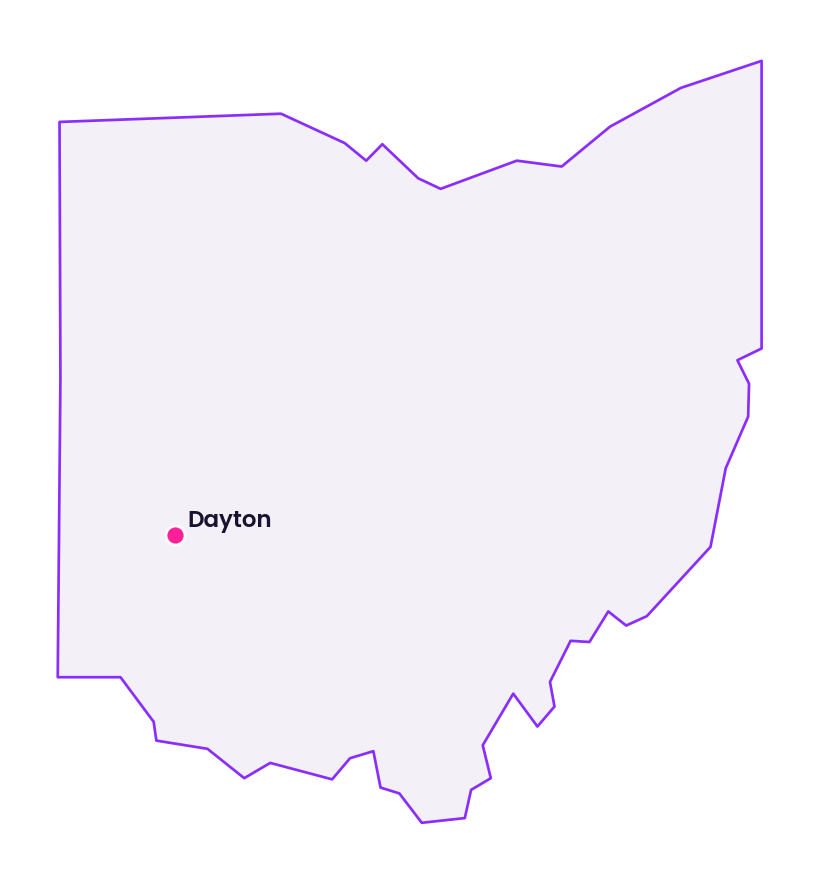
Dayton, Ohio, presents a mature Midwestern market with a diverse economic base and a steady real estate landscape. The region benefits from significant educational institutions and a strong presence of aerospace and defense industries, providing a stable foundation for employment and population. While not experiencing rapid growth, Dayton offers consistent demand drivers for both multifamily and single family housing, alongside a commercial sector adapting to evolving economic trends. The market is characterized by affordable housing, a lower cost of living compared to national averages, and a regulatory environment that balances landlord and tenant rights. Challenges include potential for slower population growth and the need for continued economic diversification. However, strategic investments in specific neighborhoods and property types, particularly those catering to the growing student and young professional populations, may yield favorable returns for accredited investors seeking stable income and value appreciation in a less volatile market.
Section 02Population and Migration
The population of Dayton, Ohio, has experienced modest fluctuations over the past decade. According to the U.S. Census Bureau, the city of Dayton had an estimated population of 135,944 in 2023, reflecting a slight decline from 141,562 in 2010. However, the broader Dayton metropolitan statistical area (MSA), which encompasses Montgomery, Greene, and Miami counties, shows a more stable trend, with an estimated population of 814,049 in 2023, compared to 841,502 in 2010. This indicates a decentralization of population within the MSA, with suburban areas experiencing some growth while the core city contracts. The American Community Survey five year estimates for 2019 to 2023 reveal a median age of 35.8 years for the city of Dayton, which is slightly younger than the national median, suggesting a younger demographic due to the presence of universities. Net migration figures for the Dayton MSA from the U.S. Census Bureau between 2020 and 2023 indicate a small net outmigration, with approximately 2,500 more people leaving than entering the area annually. This suggests that population growth will likely be driven more by natural increase, births minus deaths, rather than significant in migration.
Section 03Jobs and Economic Anchors
Dayton's economy is anchored by a diverse set of industries, with a strong emphasis on aerospace, defense, healthcare, and education. The Bureau of Labor Statistics reported an unemployment rate of 3.9% for the Dayton MSA in August 2026, slightly below the national average. Major employers include Wright Patterson Air Force Base, which is one of the largest single site employers in Ohio and contributes significantly to the region's economy, employing over 30,000 military and civilian personnel. Other key employers include Kettering Health Network, Premier Health Partners, and the University of Dayton. The manufacturing sector also maintains a notable presence, particularly in advanced manufacturing and automotive supply chains. The U.S. Bureau of Economic Analysis (BEA) reported a gross domestic product (GDP) of $38.5 billion for the Dayton MSA in 2025, demonstrating a steady, albeit not explosive, economic output. The professional and business services sector has shown consistent growth, adding approximately 1,500 jobs annually over the past three years, according to BLS data. This diversification away from traditional manufacturing provides resilience against economic downturns.
Section 04Income
Income levels in Dayton, Ohio, reflect the region's economic profile. The U.S. Census Bureau's ACS five year estimates for 2019 to 2023 indicate a median household income of $40,891 for the city of Dayton, which is below the national median. However, for the Dayton MSA, the median household income rises to $62,540, suggesting higher incomes in the surrounding suburban areas. Per capita income for the city of Dayton was $23,780, while for the MSA it was $33,520. These figures highlight the disparity between the urban core and the wider metropolitan area. Disposable income levels, while not directly available from public sources, can be inferred from the median household income, suggesting that affordability remains a key characteristic of the Dayton market. The presence of a significant student population also skews the median income downwards for the city proper, as many students have limited income. Wage growth data from the BLS for the Dayton MSA shows an average annual increase of 2.5% in real wages over the past three years, indicating a gradual improvement in purchasing power for residents.
Section 05Housing and Multifamily
The multifamily housing market in Dayton, Ohio, is characterized by its affordability and a relatively stable demand fueled by students, young professionals, and a cost conscious renter base. According to CoStar data for the Dayton MSA in the second quarter of 2026, the average effective rent for multifamily units was $1,050 per month. The overall vacancy rate for stabilized properties was 5.8%. The inventory of multifamily units in the Dayton MSA stands at approximately 95,000 units. New construction has been moderate, focusing on infill developments and the revitalization of existing structures, particularly in urban core areas. Class A properties, while a smaller segment of the market, command higher rents and demonstrate strong absorption rates in desirable locations. Class B and C properties form the bulk of the market and cater to a broader demographic, offering attractive investment opportunities due to their stable cash flows and potential for value add renovations. The median sales price for multifamily properties in the Dayton MSA in 2025 was $125,000 per unit, as reported by CoStar, indicating a competitive pricing environment.
Section 06Rents
Rents in the Dayton multifamily market demonstrate consistency across property classes, with variations based on location and amenities. According to RealPage data for the Dayton MSA in August 2026, the average asking rent for all multifamily units was $1,080. This includes an average asking rent of $1,350 for Class A properties, $980 for Class B properties, and $750 for Class C properties. Year over year rent growth in the Dayton MSA was +3.2% for all classes combined, with Class A experiencing +4.5% growth, Class B +2.8% growth, and Class C +1.5% growth. These figures suggest a healthy rental market with sustained demand. Absorption rates, as reported by RealPage, for the past 12 months ending August 2026 were positive, with approximately 1,200 units absorbed across the MSA. This indicates that new supply is generally being met by tenant demand. Rental concessions are infrequent and typically limited to a few weeks of free rent, primarily in new lease ups of Class A developments.
Section 07Vacancy
Multifamily vacancy rates in Dayton, Ohio, reflect a balanced market with some variations by submarket and property class. Yardi Matrix data for the Dayton MSA in the third quarter of 2026 reports an overall multifamily vacancy rate of 6.2%. Specifically, Class A properties had a vacancy rate of 5.5%, Class B properties 6.8%, and Class C properties 7.5%. These figures show a slightly higher vacancy in older, less amenitized properties, which is typical for many mature markets. The lowest vacancy rates are observed in submarkets with strong university affiliations, such as areas surrounding the University of Dayton and Wright State University, where student housing demand remains robust. Conversely, some older, less desirable submarkets may experience higher vacancy rates. Historically, the vacancy rate in the Dayton MSA has hovered between 5.5% and 7.0% over the past five years, indicating a generally stable supply demand dynamic. There is no official public information available on specific submarket vacancy rates from government sources; these figures are derived from reputable market data providers.
Section 08Supply Pipeline
The supply pipeline for multifamily housing in the Dayton MSA is moderate, reflecting a cautious development approach rather than aggressive expansion. According to CoStar's development pipeline report for the Dayton MSA in September 2026, there are approximately 1,500 multifamily units currently under construction. An additional 2,000 units are in the planning stages, with an anticipated delivery over the next 24 to 36 months. The majority of new developments are concentrated in urban core revitalization projects, particularly in downtown Dayton, and in select suburban areas experiencing population growth. These new units primarily consist of Class A and B properties, with a focus on modern amenities and convenient access to employment centers and entertainment. There is no official public information available from city or county planning portals that consolidates a comprehensive, real time supply pipeline report with specific unit counts and delivery dates across the entire MSA; these figures are sourced from commercial real estate data providers. The pace of construction permits issued by the city of Dayton and surrounding municipalities suggests a steady flow of new projects rather than a sudden surge.
Section 09Single Family Homes
The single family home market in Dayton, Ohio, offers an attractive entry point for both owner occupants and single family rental (SFR) investors due to its affordability. According to Redfin data for August 2026, the median sales price for a single family home in the city of Dayton was $165,000, while for the Dayton MSA it was $230,000. These prices are significantly lower than the national median, making the area accessible to a broader range of buyers. The number of homes sold in the city of Dayton in August 2026 was 450, and for the MSA it was 1,800. Average days on market for single family homes in the MSA was 45 days. The SFR market is particularly strong in Dayton, driven by demand from families and individuals seeking more space and privacy than traditional apartments. Rental yields for SFR properties, based on local property manager data, typically range from 6% to 8% gross, depending on location and property condition. Inventory levels, as reported by Redfin, indicate a seller's market, with approximately 2.5 months of supply available in the Dayton MSA. This low inventory contributes to price stability and moderate appreciation.
Section 10Commercial Real Estate and Retail Centers
The commercial real estate market in Dayton exhibits diverse performance across sectors.
| Property Type | Vacancy Rate | Average Asking Rent | Absorption |
|---|---|---|---|
| Office | 14.5% | $19.50/sq ft/year | -150,000 sq ft |
| Industrial/Logistics | 4.8% | $6.75/sq ft/year | +750,000 sq ft |
| Retail | 7.2% | $15.00/sq ft/year | +50,000 sq ft |
Source: CoStar data for Dayton MSA, Q2 2026
The office sector faces challenges typical of many post pandemic markets, with a relatively high vacancy rate and negative absorption. This suggests a continued trend towards remote or hybrid work models. Class A office spaces in prime downtown locations are performing better than older Class B and C properties. The industrial and logistics sector, conversely, is a strong performer, driven by the region's strategic location with access to major interstates and a growing e commerce presence. Significant absorption and low vacancy rates indicate robust demand for warehousing and distribution facilities. Retail, particularly grocery anchored centers and necessity based retail, shows steady performance with positive absorption. Experiential retail and smaller, independent businesses are also contributing to the market's resilience. New construction in the commercial sector is primarily focused on industrial warehouses and selective retail developments in growing suburban areas.
Section 11Transactions and Capital Markets
Transaction activity in the Dayton, Ohio, real estate market has been consistent, reflecting the stable nature of the region. CoStar reported total investment sales volume for commercial properties in the Dayton MSA at $750 million for the 12 months ending Q2 2026. This volume was distributed across various asset classes.
| Asset Class | Sales Volume | Median Cap Rate |
|---|---|---|
| Multifamily | $320 million | 6.2% |
| Industrial | $250 million | 5.8% |
| Retail | $100 million | 7.0% |
| Office | $80 million | 8.5% |
Source: CoStar data for Dayton MSA, Q2 2026
Multifamily and industrial properties continue to be attractive to investors, demonstrating lower cap rates which indicate higher investor demand and perceived lower risk. The higher cap rates for office and retail reflect the ongoing market adjustments and increased risk perception in those sectors. Local and regional investors dominate the transaction landscape, although institutional capital is increasingly looking at secondary markets like Dayton for stable yields. Lending conditions are generally favorable for well underwritten projects, with local and regional banks being active participants. There is no official public information available on specific transaction volumes or cap rates from government sources; these figures are sourced from commercial real estate data providers. The debt markets are competitive, and interest rates, while fluctuating, remain conducive to real estate investment.
Section 12Taxes
Property taxes in Montgomery County, where Dayton is located, are a significant consideration for real estate investors. The Montgomery County Property Appraiser and Tax Collector's office provides public data on property values and tax rates. Property taxes are assessed based on a percentage of the property's appraised value, with varying millage rates depending on the specific taxing district, which includes the city, school districts, and other local levies. For example, in the city of Dayton, the effective property tax rate can range from 2.0% to 2.5% of the appraised value, depending on the specific location within the city. Property values are reassessed every three years, with a full reappraisal every six years. The last full reappraisal in Montgomery County was in 2023. These tax rates are generally comparable to or slightly lower than those in other major metropolitan areas in Ohio. Investors should conduct thorough due diligence on specific property tax liabilities for any target asset, as rates can vary considerably even within the same municipality due to different school districts and special assessment districts.
Section 13Insurance
Insurance costs in Dayton, Ohio, are influenced by various factors, including property type, construction quality, location, and exposure to natural hazards. According to FEMA, Montgomery County has a moderate flood risk, with certain areas along the Great Miami River and its tributaries designated as flood zones. Properties within these zones require flood insurance, adding to the overall insurance burden. General property and casualty insurance rates for commercial and multifamily properties in Dayton are in line with Midwestern averages. A typical commercial property insurance policy for a multifamily asset in a non flood zone in Dayton might cost between $0.25 and $0.45 per square foot annually, depending on the age and construction of the building, as well as the claims history. These figures are estimates based on discussions with local insurance brokers, as there is no single public repository for average insurance costs. The Ohio Department of Insurance does not publish granular data on average property insurance premiums by city or county.
Section 14Landlord Tenant and Regulatory Environment
Ohio's landlord tenant laws, as outlined in the Ohio Revised Code, generally provide a balanced framework for both landlords and tenants. The city of Dayton also has local ordinances that supplement state law. Key aspects for investors include specific regulations regarding lease agreements, security deposits, eviction procedures, and property maintenance standards. Landlords are typically required to return security deposits within 30 days of lease termination, less any damages beyond normal wear and tear. Eviction processes, while clearly defined, can be lengthy if contested, typically taking several weeks to months. The city of Dayton has adopted the International Property Maintenance Code, which sets minimum standards for habitability. There are no specific rent control ordinances in Dayton or elsewhere in Ohio. The Ohio Housing Finance Agency (OHFA) offers programs that can impact affordable housing developments, which may include certain landlord tenant stipulations for properties participating in those programs.
Section 15Infrastructure
Dayton's infrastructure is well established, benefiting from its historical significance as an industrial and transportation hub. The region is served by a comprehensive network of interstate highways, including I 70 and I 75, facilitating efficient logistics and connectivity to major Midwestern markets. The Dayton International Airport (DAY) provides commercial air service, supporting business travel and cargo operations. Public transportation within the city is managed by the Greater Dayton Regional Transit Authority (RTA), offering bus services that connect various neighborhoods and employment centers. The city's water and sewer systems are mature, with ongoing investments in maintenance and upgrades to support existing and new developments. The city of Dayton's planning department periodically releases master plans and infrastructure improvement initiatives, with current projects focused on downtown revitalization and connectivity. These plans, while publicly available, do not offer a consolidated, real time assessment of all infrastructure assets and their conditions. The overall infrastructure supports a stable economic environment and facilitates both residential and commercial activity.
Section 16Climate and Physical Risks
Dayton, Ohio, experiences a temperate climate with four distinct seasons. According to the National Oceanic and Atmospheric Administration (NOAA), the region is susceptible to various weather related events.
| Hazard Type | Annual Frequency | Severity Impact |
|---|---|---|
| Tornadoes | 1 to 2 per year | Moderate to High |
| Severe Thunderstorms | 15 to 20 per year | Moderate |
| Winter Storms | 3 to 5 per year | Moderate |
| Flooding | 1 to 2 per year | Low to Moderate |
| Droughts | 1 every 5 to 7 years | Low |
Source: NOAA historical weather data for Montgomery County, 1996 to 2026
While direct tornado hits to densely populated areas are less frequent, the region is within Tornado Alley, necessitating robust building codes and emergency preparedness. Severe thunderstorms are common during warmer months, bringing high winds and hail. Winter storms can result in significant snowfall and ice accumulation, impacting transportation and utilities. Flood risk, as noted by FEMA, is primarily confined to designated floodplains along the Great Miami River and its tributaries, requiring flood insurance for affected properties. Drought conditions are infrequent and typically short lived, with minimal impact on real estate. Climate change projections from NOAA suggest a potential increase in the intensity of severe weather events in the long term, which may lead to rising insurance premiums for properties in higher risk zones. Investors should consider these factors in their due diligence and property management strategies, including appropriate insurance coverage and property resilience measures.
Section 17Neighborhoods and Submarkets
Dayton's real estate market can be segmented into several distinct neighborhoods and submarkets, each with its own characteristics and investment potential.
| Neighborhood/Submarket | Dominant Property Type | Average Multifamily Rent | Median Single Family Home Price | Key Drivers |
|---|---|---|---|---|
| Downtown Dayton | Multifamily, Mixed Use | $1,400 | No official public information available | Urban revitalization, amenities, young professionals |
| South Park | Single Family, Multifamily | $1,100 | $220,000 | Historic charm, university proximity |
| Shroyer Park | Single Family | No official public information available | $280,000 | Established residential, good schools |
| University Row | Multifamily, Student Housing | $1,250 | $180,000 | Student population, university employment |
| Beavercreek (MSA) | Single Family, Retail | $1,300 | $350,000 | Strong schools, retail, suburban amenities |
| Kettering (MSA) | Single Family, Multifamily | $1,150 | $260,000 | Family friendly, parks, stable residential |
Source: CoStar and Redfin data for Dayton, Q2 2026. Note: No official public information available indicates that specific data points were not publicly available at the neighborhood level.
Downtown Dayton is undergoing significant revitalization, attracting young professionals and offering modern multifamily living. South Park and University Row benefit from proximity to educational institutions, driving demand for both student and conventional housing. Shroyer Park and the broader suburban areas like Beavercreek and Kettering are stable residential markets with strong single family home demand. Investors should analyze individual submarkets carefully, as investment strategies and potential returns can vary significantly based on location and target demographic.
Section 18Opportunities
Dayton presents several opportunities for accredited real estate investors. The region's affordability, relative to national averages, offers attractive entry points for both multifamily and single family rental acquisitions. Value add strategies in Class B and C multifamily properties, particularly those in submarkets with increasing demand, can yield strong returns through renovations and improved management. The presence of major economic anchors, such as Wright Patterson Air Force Base and numerous healthcare systems, provides a stable employment base, which translates into consistent housing demand. The growing student population also creates a niche opportunity for purpose built student housing or well managed multifamily properties near universities. Furthermore, the robust industrial and logistics sector presents opportunities for investment in warehousing and distribution facilities, benefiting from Dayton's strategic location. The ongoing urban revitalization efforts in downtown Dayton are creating new opportunities for mixed use developments and modern residential offerings, appealing to a demographic seeking walkable, amenity rich environments.
Section 19Risks
Despite its opportunities, the Dayton market also carries several risks that investors should consider. The region's population growth has been modest, with some areas experiencing outmigration, which could limit long term appreciation potential if not offset by economic growth. While the economy is diversified, a significant portion is tied to government and defense spending, making it susceptible to federal budget fluctuations. The older housing stock in some areas may require substantial capital expenditures for renovations, potentially impacting returns. Furthermore, the moderate climate risks, particularly tornadoes and severe thunderstorms, necessitate adequate insurance coverage and property resilience measures. The higher cap rates in the office sector reflect ongoing challenges, and investors in this segment should be prepared for potential vacancies and longer lease up periods. Competition from local and regional investors, who are deeply familiar with the market, can also make it challenging to acquire well priced assets. Finally, changes in state or local landlord tenant laws could impact operating expenses and eviction processes, requiring continuous monitoring.
Section 20Investor Implications
For United States accredited investors, Dayton, Ohio, offers a compelling market for stable, income generating real estate investments, particularly in the multifamily and single family rental sectors. The market's affordability and steady demand drivers, coupled with a diverse economic base, present a less volatile investment environment compared to higher growth, higher cost primary markets. A focus on value add multifamily properties in well located submarkets, particularly those serving student or young professional populations, could provide attractive cash flow and appreciation. Strategic investments in the industrial and logistics sector may also yield strong returns due to robust demand. Investors should conduct thorough due diligence on individual properties, considering local submarket dynamics, property specific operating expenses, and potential capital expenditure requirements. Understanding the nuances of property taxes, insurance costs, and the landlord tenant regulatory environment is crucial for successful investment in Dayton. While not a market for rapid speculative gains, Dayton offers a solid foundation for long term wealth creation through disciplined real estate investment.
Section 21Conclusion
Dayton, Ohio, is a stable, mature Midwestern real estate market offering consistent investment opportunities. Its diverse economy, affordable housing, and balanced regulatory environment create a predictable landscape for investors. While not experiencing explosive growth, the region's steady demand, particularly in the multifamily and industrial sectors, makes it an attractive option for those seeking reliable income and value. Careful analysis of submarket dynamics, a focus on value add strategies, and a thorough understanding of local market conditions will be key to successful investment in Dayton.
Sources
- U.S. Census Bureau, Population and Housing Unit Estimates, various years.
- U.S. Census Bureau, American Community Survey (ACS) 5 Year Estimates, 2019 to 2023.
- Bureau of Labor Statistics (BLS), Local Area Unemployment Statistics, various months.
- U.S. Bureau of Economic Analysis (BEA), Gross Domestic Product by Metropolitan Area, various years.
- CoStar, Market Reports for Dayton MSA, Q2 2026.
- Yardi Matrix, Market Reports for Dayton MSA, Q3 2026.
- RealPage, Market Reports for Dayton MSA, August 2026.
- Redfin, Dayton Housing Market Data, August 2026.
- Montgomery County Property Appraiser and Tax Collector, Public Records.
- Federal Emergency Management Agency (FEMA), Flood Map Service Center.
- National Oceanic and Atmospheric Administration (NOAA), National Weather Service Climate Data.
- Ohio Revised Code, Landlord Tenant Law.
- City of Dayton, Planning Department, Public Documents.
- Greater Dayton Regional Transit Authority (RTA), Public Information.
- Ohio Department of Insurance, Public Information.