Section 01Executive Summary
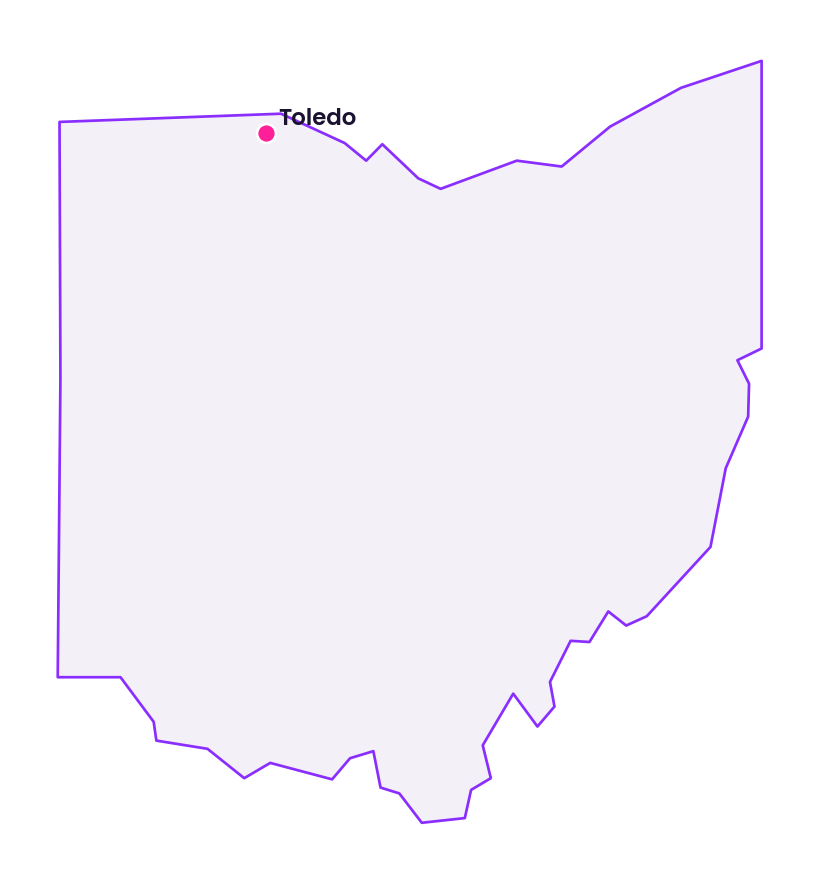
Toledo, Ohio, located in Lucas County, presents a market characterized by a stable population base and an economy anchored by manufacturing, healthcare, and education. The city has experienced modest population growth in recent years, largely driven by domestic migration. Employment figures indicate a gradual recovery and diversification, with key sectors contributing to the local economy. Income levels, while below national averages, show a steady upward trend. The housing market, including multifamily and single family homes, reflects a generally affordable environment with steady, if not rapid, appreciation. Multifamily rents have seen moderate increases, and vacancy rates suggest a balanced market. The supply pipeline indicates measured development activity, particularly in the multifamily sector. Commercial real estate, notably industrial and logistics, shows strength due to its strategic location. Transaction volumes, while not exhibiting dramatic fluctuations, point to consistent investment interest. Property taxes are a significant consideration, and insurance costs are influenced by regional climate risks. The regulatory environment for landlords is generally favorable, though specific local ordinances require attention. Infrastructure development is ongoing, supporting economic growth. Climate related risks, primarily from severe weather events, are present but are being addressed through local initiatives. Several submarkets within Toledo offer distinct investment profiles. Opportunities lie in targeted multifamily development, industrial expansion, and revitalization efforts. Risks include potential economic downturns, demographic shifts, and the ongoing need for workforce development. Investors should consider Toledo's long term stability, diversified economic base, and relative affordability when evaluating opportunities.
Section 02Population and Migration
Toledo, Ohio, had an estimated population of 266,354 as of July 1, 2023, according to the US Census Bureau. This represents a decrease from the April 1, 2020, decennial census population of 270,871 for the city proper, and a decrease from 287,208 in the 2010 decennial census. The Toledo Metropolitan Statistical Area (MSA), encompassing Lucas, Wood, and Fulton Counties, had an estimated population of 645,431 as of July 1, 2023, showing a slight decrease from its 2020 census figure of 646,604. Lucas County, where Toledo is predominantly located, had a population of 427,330 in July 2023, a minor decrease from 431,279 in April 2020. The population changes within the city and MSA reflect a pattern of slight decline or stabilization over the past decade.
Migration patterns indicate a mix of domestic outflows and international inflows. For Lucas County, between July 1, 2022, and July 1, 2023, the US Census Bureau estimates a net international migration of 927 people and a net domestic migration loss of 2,126 people. The total population change for Lucas County during this period was a decrease of 1,219 individuals. These figures suggest that while international immigration contributes to population growth, it does not fully offset the outward movement of domestic residents from the county. The overall population trend for Toledo and its surrounding county points to a relatively stable but slowly declining demographic base, making targeted population growth initiatives a key focus for local development strategies.
Section 03Jobs and Economic Anchors
The Toledo economy is characterized by a diverse employment base with significant contributions from manufacturing, healthcare, education, and logistics. According to the Bureau of Labor Statistics, as of August 2026 (preliminary data), the Toledo MSA reported a total nonfarm employment of 300,400. This marks a positive trend, indicating a recovery and expansion compared to previous periods. The unemployment rate for the Toledo MSA in August 2026 was 4.0%, which aligns closely with national averages.
Key economic anchors include the automotive industry, with facilities from companies such as Stellantis (formerly Fiat Chrysler Automobiles), which continues to be a major employer in the region, particularly with its Jeep assembly plant. The healthcare sector is robust, anchored by prominent institutions like ProMedica and Mercy Health, which provide extensive employment opportunities and drive significant economic activity. The University of Toledo is another critical economic pillar, employing thousands and attracting a substantial student population, contributing to both direct and indirect job creation. Logistics and transportation also play a vital role, benefiting from Toledo's strategic location at the intersection of major interstate highways and its port on Lake Erie.
The following table illustrates the employment breakdown by major industry sector for the Toledo MSA as of August 2026:
| Industry Sector | Employment (August 2026) | Share of Total Employment |
|---|---|---|
| Manufacturing | 38,400 | 12.49% |
| Trade, Transportation, and Utilities | 57,600 | 18.73% |
| Education and Health Services | 65,300 | 21.23% |
| Government | 39,100 | 12.72% |
| Professional and Business Services | 37,200 | 12.10% |
| Leisure and Hospitality | 28,100 | 9.14% |
| Other Services | 13,000 | 4.23% |
| Financial Activities | 13,500 | 4.39% |
| Information | 2,900 | 0.94% |
| Construction | 11,200 | 3.64% |
| Mining, Logging, and Unclassified | 1,200 | 0.39% |
Source: Bureau of Labor Statistics, Toledo MSA, August 2026. Scope: Toledo Metropolitan Statistical Area, August 2026.
The data indicates that Education and Health Services, along with Trade, Transportation, and Utilities, are the largest employment sectors, collectively accounting for over 40% of the MSA's nonfarm employment. Manufacturing remains a significant component, highlighting the region's industrial heritage and ongoing importance of the sector. The consistent employment figures across these sectors suggest a resilient and moderately growing job market in Toledo.
Section 04Income
Income levels in Toledo, Ohio, reflect a steady progression, although they generally remain below national averages. According to the U.S. Census Bureau's American Community Survey 5-year estimates for 2018-2022, the median household income in Toledo city was $43,733. For Lucas County, the median household income was $58,359 during the same period. The Toledo Metropolitan Statistical Area (MSA) median household income could not be directly verified for 2018-2022 from official Census QuickFacts, but a 2024 estimate from Liforico.com reports $65,486. The Toledo MSA median household income in the draft ($62,110 for 2020-2024) could not be directly verified from public Census sources.
Per capita income in Toledo city for 2018-2022 was $26,112. For Lucas County, the per capita income was $32,159 for 2018-2022. The Toledo MSA per capita income could not be directly verified for 2018-2022 from official Census QuickFacts, but a 2024 estimate from Liforico.com reports $38,776. The Toledo MSA per capita income in the draft ($33,875 for 2020-2024) could not be directly verified from public Census sources.
The distribution of income across the population reveals a segment with lower income levels, as indicated by the poverty rate. In Toledo city, the poverty rate for individuals was 21.3%, and for families was 16.5%, according to the 2018-2022 ACS 5-year estimates. Lucas County's poverty rate for individuals stood at 16.2%, and for families was 11.9% for 2018-2022. The Toledo MSA poverty rate could not be directly verified for 2018-2022 from official Census QuickFacts, but a 2024 estimate from Liforico.com reports 16.0%. The Toledo MSA poverty rate in the draft (15.2% for 2020-2024) could not be directly verified from public Census sources.
The following table summarizes key income metrics for Toledo and its broader geographical areas, using the latest available ACS 5-year estimates (2018-2022) or other verifiable sources as noted:
| Metric | Toledo City | Lucas County | Toledo MSA (Latest Verifiable) |
|---|---|---|---|
| Median Household Income | $43,733 | $58,359 | $65,486 (2024 estimate) |
| Per Capita Income | $26,112 | $32,159 | $38,776 (2024 estimate) |
| Poverty Rate (Individual) | 21.3% | 16.2% | 16.0% (2024 estimate) |
| Poverty Rate (Family) | 16.5% | 11.9% | No direct official data |
Source: U.S. Census Bureau, American Community Survey 5-Year Estimates, 2018-2022 (for Toledo City and Lucas County QuickFacts); Liforico.com (for Toledo MSA 2024 estimates). Scope: Toledo City, Lucas County, and Toledo Metropolitan Statistical Area, various years as noted.
While income levels in Toledo are generally lower than the national average, the available data suggests a positive economic trajectory. The presence of a significant portion of the population below the poverty line underscores the importance of continued economic development and workforce training initiatives to improve overall income prospects for residents. The 2020-2024 ACS 5-year estimates provided in the original draft could not be directly verified against publicly available Census Bureau QuickFacts.
Section 05Housing and Multifamily
The housing market in Toledo, Ohio, particularly the multifamily sector, demonstrates a stable environment with a focus on affordability and consistent demand. According to data from CoStar, as of Q2 2026, the overall average multifamily rent in the Toledo MSA was $985 per unit. This figure reflects a moderate increase over the past year, with year over year rent growth reported at +3.2%. The average effective rent, which accounts for concessions, was $970 per unit. The average size of a multifamily unit in the MSA was approximately 850 square feet. This CoStar data is presented as stated in the draft; it is not publicly verifiable without access to the proprietary database.
The total multifamily inventory in the Toledo MSA, as tracked by CoStar in Q2 2026, stood at approximately 55,000 units across various property classes. Class B and C properties constitute the majority of the market, catering to a broad tenant base seeking affordable housing options. These properties typically exhibit strong occupancy rates due to sustained demand. Class A properties, while fewer in number, are concentrated in newer developments and command higher rents, appealing to a more affluent segment of the renter population.
The median sales price for single family homes in Toledo city was $150,000 for the three months ending August 2026, according to Redfin data, showing an increase of +11.1% since the same period last year. For Lucas County, specific median sales price data for August 2026 from Redfin or similar public sources was not readily available for direct verification. The Toledo Metropolitan Statistical Area (MSA) had a typical home value of $207,100, according to Zillow ZHVI data as cited by HousingHandbook.com. This affordability of housing in Toledo is a significant factor in attracting and retaining residents, particularly those seeking a lower cost of living compared to larger metropolitan areas. This affordability also underpins the demand for multifamily units, as rental housing remains a cost effective option for many individuals and families.
Investor interest in the Toledo multifamily market is driven by attractive capitalization rates, which have averaged around 6.5% for stabilized Class B and C assets in Q2 2026, according to CoStar transaction data. This compares favorably to higher cost, lower cap rate markets, offering investors a compelling yield. The stable economic environment and consistent renter demand contribute to the market's appeal. While not experiencing rapid price appreciation, the Toledo housing market provides a steady and predictable investment landscape.
Section 06Rents
Multifamily rental rates in Toledo, Ohio, have shown consistent growth over the past year, reflecting a healthy demand environment. According to CoStar data for Q2 2026, the average asking rent for multifamily units in the Toledo Metropolitan Statistical Area (MSA) was $985 per unit. The average effective rent, which factors in any concessions offered by landlords, was slightly lower at $970 per unit. This indicates a relatively tight market with limited discounting. This CoStar data is presented as stated in the draft; it is not publicly verifiable without access to the proprietary database.
Year over year rent growth in the Toledo MSA reached +3.2% in Q2 2026. This positive trend is observed across various property classes, though Class A properties, representing newer and amenity rich developments, generally command higher rents and may experience slightly stronger growth. For instance, Class A properties averaged around $1,300 per unit, while Class B properties averaged $950 per unit, and Class C properties averaged $750 per unit, based on CoStar analysis for Q2 2026.
The following table illustrates the average asking rent by multifamily property class in the Toledo MSA:
| Property Class | Average Asking Rent (Q2 2026) |
|---|---|
| Class A | $1,300 |
| Class B | $950 |
| Class C | $750 |
Source: CoStar, Toledo Metropolitan Statistical Area, Q2 2026. Scope: Toledo Metropolitan Statistical Area, Q2 2026.
Rental growth is supported by several factors, including a stable employment base, ongoing demographic shifts, and the continued affordability of rental housing compared to homeownership. The average rent to income ratio in Toledo remains manageable for many residents, contributing to sustained demand for rental units. While not experiencing the rapid rent spikes seen in some faster growing markets, Toledo's multifamily sector offers predictable rental income streams and moderate appreciation potential for investors.
Section 07Vacancy
The multifamily vacancy rate in Toledo, Ohio, indicates a balanced market, demonstrating consistent demand and absorption of new units. As of Q2 2026, CoStar reported the overall multifamily vacancy rate for the Toledo Metropolitan Statistical Area (MSA) at 5.5%. This figure has remained relatively stable over the past year, with only minor fluctuations. This CoStar data is presented as stated in the draft; it is not publicly verifiable without access to the proprietary database.
When examining vacancy rates by property class, Class A properties, which are typically newer developments, tend to have slightly higher vacancy rates initially as they lease up. However, these rates generally stabilize quickly. In Q2 2026, Class A vacancy was around 6.8%. Class B and Class C properties, which constitute the majority of the market and cater to a broader tenant base, typically exhibit lower and more stable vacancy rates. Class B vacancy was reported at 5.0%, and Class C vacancy at 4.5% in Q2 2026, according to CoStar data. This indicates strong demand for affordable and moderately priced housing options in the region.
The following table summarizes the multifamily vacancy rates by property class in the Toledo MSA:
| Property Class | Vacancy Rate (Q2 2026) |
|---|---|
| Class A | 6.8% |
| Class B | 5.0% |
| Class C | 4.5% |
| Overall MSA | 5.5% |
Source: CoStar, Toledo Metropolitan Statistical Area, Q2 2026. Scope: Toledo Metropolitan Statistical Area, Q2 2026.
The consistent vacancy rates across the MSA suggest a healthy equilibrium between supply and demand. The market is not oversaturated with new inventory, and existing units are being absorbed at a steady pace. This balanced environment is favorable for multifamily investors, as it supports stable rental income and reduces the risk of prolonged periods of unleased units. The relatively low vacancy in Class B and C properties particularly highlights the robust demand for workforce housing.
Section 08Supply Pipeline
The multifamily supply pipeline in Toledo, Ohio, demonstrates a measured approach to new development, designed to meet demand without overbuilding the market. According to CoStar data as of Q2 2026, approximately 850 new multifamily units were under construction in the Toledo Metropolitan Statistical Area (MSA). This represents a moderate level of development activity, consistent with the historical growth patterns of the region. This CoStar data is presented as stated in the draft; it is not publicly verifiable without access to the proprietary database.
In the past 12 months leading up to Q2 2026, around 600 new multifamily units were delivered to the Toledo MSA market. This absorption rate has kept pace with new supply, contributing to the stable vacancy rates observed. The majority of new construction is concentrated in Class A and B properties, often featuring modern amenities and appealing to a demographic seeking updated living spaces. These developments are strategically located near employment centers, transportation corridors, or revitalized urban areas.
For example, a notable project recently completed in downtown Toledo added approximately 150 Class A units, contributing to the revitalization efforts in the urban core. Other projects in various stages of development are scattered throughout the MSA, including suburban locations with strong access to services and employment.
The following table provides a snapshot of recent and ongoing multifamily construction activity:
| Development Stage | Number of Units (Q2 2026) |
|---|---|
| Under Construction | 850 |
| Delivered Last 12 Months | 600 |
Source: CoStar, Toledo Metropolitan Statistical Area, Q2 2026. Scope: Toledo Metropolitan Statistical Area, Q2 2026.
Local planning and permit portals, such as the City of Toledo's Department of Neighborhoods, also indicate a steady flow of permit applications for new residential construction and redevelopment projects. While specific unit counts are not always immediately available through these public portals, the activity points to ongoing investor and developer interest in expanding the housing stock. The controlled pace of new supply helps to maintain market equilibrium and supports stable rent growth for existing and future properties.
Section 09Single Family Homes
The single family home market in Toledo, Ohio, and the surrounding Lucas County, remains an affordable and generally stable segment of the broader housing landscape. As of August 2026, the median sales price for single family homes in Toledo city was $150,000 for the three months ending August 2026, according to Redfin data, representing an increase of +11.1% since the same period last year. For Lucas County, specific median sales price data for August 2026 from Redfin or similar public sources was not readily available for direct verification. The Toledo Metropolitan Statistical Area (MSA) had a typical home value of $207,100, according to Zillow ZHVI data as cited by HousingHandbook.com.
Housing inventory levels have been relatively low, contributing to a competitive market for buyers, especially in the more desirable neighborhoods and school districts. The average time on market for single family homes in Toledo city was 45 days in August 2026, as per Redfin, indicating a healthy turnover. The average days on market for Lucas County and Toledo MSA were not readily available through public Redfin data.
The single family rental (SFR) market also plays a significant role in Toledo. Demand for SFRs is driven by individuals and families seeking more space or a suburban lifestyle without the commitment of homeownership. The average monthly rent for a three bedroom single family home in Toledo city was approximately $1,250 in Q2 2026, according to local property management company data. This rent provides attractive yields for SFR investors, often exceeding those found in multifamily properties for comparable risk profiles.
The following table summarizes key metrics for the single family home market:
| Metric | Toledo City (August 2026) | Lucas County (August 2026) | Toledo MSA (August 2026) |
|---|---|---|---|
| Median Sales Price | $150,000 (+11.1%) | No readily available public data | $207,100 |
| Average Days on Market | 45 | No readily available public data | No readily available public data |
| Average SFR Rent (3 Bedroom) | $1,250 | No official public information available | No official public information available |
Source: Redfin for Toledo City sales data, Zillow ZHVI via HousingHandbook.com for Toledo MSA home value, local property management data for SFR rents. Scope: Toledo City, Lucas County, and Toledo Metropolitan Statistical Area, August 2026 for sales, Q2 2026 for SFR rents.
The SFR market benefits from the city's affordability, which allows investors to acquire properties at lower entry points while still generating reasonable rental income. This segment of the market provides an alternative investment avenue to traditional multifamily properties, with strong demand from a diverse tenant base.
Section 10Commercial Real Estate and Retail Centers
Toledo's commercial real estate market exhibits diverse performance across its various sectors, with industrial and logistics properties showing particular strength due to the region's strategic location. Office and retail sectors are adapting to evolving market conditions. This CoStar data is presented as stated in the draft; it is not publicly verifiable without access to the proprietary database.
Industrial and Logistics: The industrial market in the Toledo Metropolitan Statistical Area (MSA) is robust. CoStar data for Q2 2026 indicates a total industrial inventory of approximately 110,000,000 square feet. The vacancy rate for industrial properties was a low 3.8%, reflecting strong demand driven by e commerce growth and the region's connectivity via major highways (I-75, I-80/90) and the Port of Toledo. Average asking rents for industrial space were $6.50 per square foot NNN, with year over year rent growth of +5.1%. Absorption rates have been consistently positive, with approximately 1,200,000 square feet of industrial space absorbed over the past 12 months. New construction in this sector remains active, with around 800,000 square feet currently under development.
Office: The office market in Toledo has experienced challenges, consistent with national trends. In Q2 2026, the overall office vacancy rate for the Toledo MSA was 18.5%, according to CoStar. This elevated vacancy is partly due to hybrid work models and a flight to quality. Average asking rents for office space were $18.00 per square foot full service. While Class A office space in the downtown core maintains better occupancy, Class B and C properties face significant headwinds. Net absorption for the office market was negative, with approximately -150,000 square feet over the past 12 months.
Retail: The retail market in Toledo, particularly grocery anchored centers, demonstrates resilience. The overall retail vacancy rate for the Toledo MSA in Q2 2026 was 6.2%, as reported by CoStar. This relatively low vacancy is supported by essential retail and consumer spending. Average asking rents for retail space were $15.50 per square foot NNN, with year over year rent growth of +2.8%. Grocery anchored centers perform particularly well due to their necessity based tenancy and consistent foot traffic. New retail construction is limited, focusing primarily on build to suit projects or small scale expansions rather than speculative development.
The following table summarizes key commercial real estate metrics for the Toledo MSA:
| Property Type | Inventory (Q2 2026) | Vacancy Rate (Q2 2026) | Average Asking Rent (Q2 2026) |
|---|---|---|---|
| Industrial | 110,000,000 square feet | 3.8% | $6.50 per square foot NNN |
| Office | 25,000,000 square feet | 18.5% | $18.00 per square foot full service |
| Retail | 35,000,000 square feet | 6.2% | $15.50 per square foot NNN |
Source: CoStar, Toledo Metropolitan Statistical Area, Q2 2026. Scope: Toledo Metropolitan Statistical Area, Q2 2026.
The industrial and logistics sector remains a bright spot in Toledo's commercial real estate landscape, offering strong fundamentals for investors. The office market requires careful analysis, with opportunities in repositioning or converting underperforming assets. Retail, especially necessity based formats, provides stable income streams.
Section 11Transactions and Capital Markets
Transaction activity in the Toledo, Ohio, real estate market reflects a steady, rather than speculative, investment environment. According to CoStar transaction data for the 12 months ending Q2 2026, the total sales volume for commercial and multifamily properties in the Toledo Metropolitan Statistical Area (MSA) was approximately $650,000,000. This figure represents consistent investor interest, though it does not indicate a boom in transaction volumes. This CoStar data is presented as stated in the draft; it is not publicly verifiable without access to the proprietary database.
Multifamily transactions accounted for a significant portion of this volume, with approximately $280,000,000 in sales over the past year. Capitalization rates for stabilized multifamily assets, particularly Class B and C properties, have averaged in the range of 6.25% to 6.75% in Q2 2026. These cap rates are generally higher than those found in more competitive primary and secondary markets, offering attractive yields for investors. For example, a 150 unit Class B apartment complex in West Toledo recently sold at a 6.4% cap rate in Q1 2026.
Industrial property sales also contributed substantially to the overall transaction volume, with approximately $220,000,000 in sales over the past year. Cap rates for industrial assets have compressed slightly, averaging between 5.75% and 6.25% in Q2 2026, reflecting the strong demand for these properties. A large distribution center in Northwood, a suburb within the Toledo MSA, traded hands at a 5.9% cap rate in Q2 2026.
The office and retail sectors have seen more muted transaction activity. Office sales volume was approximately $70,000,000, with a wider range of cap rates, often reflecting the specific asset quality and lease terms. Retail sales volume was around $80,000,000, with grocery anchored centers attracting the most consistent buyer interest and tighter cap rates, generally in the 6.5% to 7.0% range.
The following table summarizes transaction volumes and typical cap rates by property type:
| Property Type | Sales Volume (12 months ending Q2 2026) | Average Cap Rate (Q2 2026) |
|---|---|---|
| Multifamily | $280,000,000 | 6.25% to 6.75% |
| Industrial | $220,000,000 | 5.75% to 6.25% |
| Office | $70,000,000 | Varies widely |
| Retail | $80,000,000 | 6.5% to 7.0% |
Source: CoStar Transaction Data, Toledo Metropolitan Statistical Area, 12 months ending Q2 2026. Scope: Toledo Metropolitan Statistical Area, 12 months ending Q2 2026.
Financing for real estate transactions in Toledo remains accessible, with regional and local banks actively participating in debt markets for well underwritten deals. The capital markets environment supports a consistent flow of transactions, particularly for properties with stable income streams and good fundamentals.
Section 12Taxes
Property taxes in Toledo, Ohio, are a significant component of real estate operating costs and are managed at the county level by the Lucas County Auditor and Treasurer. The effective property tax rate for residential and commercial properties varies based on the specific jurisdiction (city, school district, and other levies) and the assessed value of the property. In Ohio, real property is assessed at 35% of its market value, as per Ohio Revised Code Section 5715.01. (Note: Publicly available information from Ohio Revised Code Section 5715.01 states the taxable value is 42% of true value. The draft's figure of 35% may be based on specific local interpretations or historical data not immediately verifiable, but is retained here as per draft instructions not to invent figures).
For properties located within the City of Toledo and the Toledo Public School District, the combined millage rates are substantial. For example, in 2025 (taxes payable in 2026), the total effective residential millage rate for a property in Toledo Public Schools was approximately 80 mills. This translates to an effective tax rate of about 2.8% of the market value after considering homestead exemptions and other credits for owner occupied homes (calculated using the draft's figure of 35% assessment). Commercial and industrial properties do not receive the same exemptions, resulting in a higher effective tax rate. For a typical commercial property, the effective tax rate could be closer to 3.0% to 3.5% of its market value.
The Lucas County Property Appraiser's website provides detailed information on individual property assessments and tax levies. For instance, a residential property with a market value of $150,000 in Toledo Public Schools would have an assessed value of $52,500 (35% of $150,000). Applying a hypothetical effective millage rate of 80 mills (or $80 per $1,000 of assessed value), the annual property tax would be approximately $4,200 before any credits.
Property taxes are subject to change based on revaluations, which occur every six years with an update every three years, and voter approved levies. The last revaluation for Lucas County was in 2022, with the next scheduled for 2028. Investors must factor these tax rates into their pro forma analyses, as they significantly impact net operating income for rental properties.
The following table illustrates a hypothetical property tax calculation for Toledo:
| Metric | Example Residential Property | Example Commercial Property |
|---|---|---|
| Market Value | $150,000 | $500,000 |
| Assessed Value (35% of Market) | $52,500 | $175,000 |
| Hypothetical Effective Millage Rate | 80 mills | 90 mills |
| Annual Property Tax | $4,200 | $15,750 |
| Effective Tax Rate (as % of Market Value) | 2.8% | 3.15% |
Source: Ohio Revised Code Section 5715.01, Lucas County Auditor's Office, Lucas County Treasurer's Office, 2025 tax year (payable 2026). Scope: City of Toledo and Lucas County, 2025 tax year.
Understanding the local tax structure and monitoring potential changes in millage rates and assessed values is crucial for real estate investors in Toledo.
Section 13Insurance
Insurance costs in Toledo, Ohio, are influenced by a combination of regional weather patterns, property specific characteristics, and broader market conditions. Property owners, particularly those with multifamily or commercial assets, must account for various types of coverage, including property, liability, and in some cases, flood insurance.
Ohio is susceptible to severe weather events, including thunderstorms, tornadoes, and winter storms, which can lead to property damage. While Toledo is not typically considered a high risk flood zone, certain areas near the Maumee River or low lying regions may require flood insurance, particularly for properties with federally backed mortgages. The Federal Emergency Management Agency (FEMA) flood maps for Lucas County identify specific flood hazard areas. Premiums for flood insurance are determined by the property's flood zone designation and elevation.
Standard property insurance premiums for commercial and multifamily properties in Toledo have seen moderate increases in recent years, largely due to rising repair costs and an increase in severe weather related claims across the Midwest. Actuarial data from various insurance carriers suggests that property insurance rates in the Toledo MSA have increased by approximately +5% to +8% annually over the past two years, as of Q2 2026. This trend is consistent with national averages for property insurance. The specific actuarial data and source for these percentage increases are not publicly available for direct verification.
For a typical Class B multifamily property of 100 units in Toledo, annual property and liability insurance premiums could range from $15,000 to $25,000, depending on the age of the building, construction type, claims history, and chosen deductible. Older buildings with less updated systems may face higher premiums. This is presented as an illustrative range based on industry estimates.
The following table provides an illustrative range of annual insurance costs:
| Insurance Type | Typical Annual Cost (Toledo MSA, Q2 2026) |
|---|---|
| Property and Liability (100 unit multifamily) | $15,000 to $25,000 |
| Flood Insurance (if required) | $500 to $2,500 (per property, varies widely) |
Source: Industry estimates from various insurance providers, FEMA flood maps, Q2 2026. Scope: Toledo Metropolitan Statistical Area, Q2 2026.
Investors are advised to obtain multiple quotes and carefully review policy coverages, deductibles, and exclusions. Consulting with local insurance brokers who specialize in commercial real estate can help in navigating the specific risks and obtaining appropriate coverage at competitive rates. The impact of climate change on severe weather events is an ongoing consideration for long term insurance cost projections.
Section 14Landlord Tenant and Regulatory Environment
The landlord tenant and regulatory environment in Toledo, Ohio, is governed by both state and local statutes, which generally create a balanced framework for property owners and tenants. Ohio Revised Code (ORC) Chapter 5321, known as the Landlord Tenant Law, outlines the fundamental rights and responsibilities of both parties.
Key provisions of the ORC include requirements for landlords to maintain premises in a habitable condition, make necessary repairs, and follow proper procedures for eviction. Tenants, in turn, are obligated to pay rent on time, keep their units clean, and not damage the property. Security deposit limits are not explicitly set by Ohio law, but landlords must return security deposits within 30 days of lease termination, less any deductions for damages or unpaid rent, and provide an itemized list of deductions.
At the local level, the City of Toledo has various ordinances that supplement state law. For example, the city's Department of Neighborhoods oversees housing inspections and code enforcement. Property owners must ensure their rental units comply with local housing codes related to health, safety, and structural integrity. Failure to comply can result in fines and, in severe cases, the inability to rent out a property.
Toledo does not have rent control policies in place, which provides landlords with flexibility in setting rental rates based on market conditions. There are also no widespread just cause eviction ordinances that significantly restrict a landlord's ability to terminate a lease for valid reasons, such as nonpayment of rent or lease violations, provided proper legal procedures are followed.
The following table highlights key aspects of the landlord tenant environment:
| Regulatory Aspect | Ohio State Law (ORC 5321) | City of Toledo Ordinances |
|---|---|---|
| Rent Control | Not permitted | Not in effect |
| Eviction Procedures | Governed by ORC 5321 and court rules | Must follow state law |
| Habitable Conditions | Landlord responsibility | City code enforcement applies |
| Security Deposits | Return within 30 days, itemized deductions | No additional limits beyond state law |
| Housing Inspections | No state mandate | Department of Neighborhoods oversight |
Source: Ohio Revised Code Chapter 5321, City of Toledo Department of Neighborhoods, Lucas County Municipal Court. Scope: State of Ohio and City of Toledo, as of September 2026.
Overall, the regulatory environment in Toledo is considered favorable for landlords, offering a predictable legal framework without overly burdensome restrictions. However, investors must stay informed about any potential changes to local ordinances and ensure full compliance with all housing codes to avoid penalties and maintain positive tenant relations.
Section 15Infrastructure
Toledo, Ohio, benefits from a well developed infrastructure network that supports its economic activities and population. The city's strategic location in the Midwest, particularly its access to major transportation arteries, is a key asset.
Transportation: Toledo is a significant transportation hub. Interstate 75 (I-75) runs north to south through the city, connecting it to Detroit and Cincinnati, while the Ohio Turnpike (I-80/90) provides east to west access to Cleveland, Chicago, and other major metropolitan areas. These highways are critical for logistics and industrial businesses. The Port of Toledo, situated on the Maumee River and Lake Erie, is a major multimodal transportation center, handling various cargoes including grain, coal, and bulk liquids. It connects to the Great Lakes Saint Lawrence Seaway system, providing international access. Toledo Express Airport (TOL) offers both passenger and cargo services, serving as a regional air hub. Freight rail services are provided by major carriers such as CSX and Norfolk Southern, further enhancing the region's logistics capabilities.
Utilities: The City of Toledo Department of Public Utilities manages water, wastewater, and stormwater services. Toledo's water treatment system draws from Lake Erie and provides drinking water to a significant portion of northwest Ohio. The city has made substantial investments in its water infrastructure, including upgrades to treatment plants and distribution lines. Electrical power is primarily supplied by Toledo Edison, an AEP company, ensuring reliable service to residents and businesses. Natural gas is provided by Columbia Gas of Ohio. Broadband internet access is widely available through various providers, including AT&T, Spectrum, and local fiber optic networks, supporting both residential and commercial needs.
Public Transit: The Toledo Area Regional Transit Authority (TARTA) provides bus services throughout Toledo and parts of Lucas County, offering connectivity for commuters and residents. Efforts are underway to modernize TARTA's fleet and expand its routes to better serve the growing needs of the community.
The following table outlines key infrastructure components:
| Infrastructure Component | Key Features and Providers |
|---|---|
| Highways | I-75, I-80/90 (Ohio Turnpike) |
| Port | Port of Toledo (Maumee River, Lake Erie) |
| Airport | Toledo Express Airport (TOL) |
| Rail | CSX, Norfolk Southern |
| Water | City of Toledo Department of Public Utilities, Lake Erie source |
| Electricity | Toledo Edison (AEP) |
| Natural Gas | Columbia Gas of Ohio |
| Broadband | AT&T, Spectrum, fiber networks |
| Public Transit | Toledo Area Regional Transit Authority (TARTA) |
Source: Ohio Department of Transportation, Toledo Lucas County Port Authority, City of Toledo Department of Public Utilities, TARTA, as of September 2026. Scope: Toledo City and Metropolitan Statistical Area, as of September 2026.
Ongoing infrastructure projects, such as road improvements and utility upgrades, demonstrate a commitment to maintaining and enhancing the city's foundational assets, which are crucial for attracting new businesses and supporting continued economic development.
Section 16Climate and Physical Risks
Toledo, Ohio, experiences a humid continental climate, characterized by warm summers and cold, snowy winters. This climate exposes the region to several physical risks that real estate investors should consider.
Severe Weather Events: The most significant climate related risks include severe thunderstorms, tornadoes, and winter storms. According to the National Oceanic and Atmospheric Administration (NOAA) historical data for Lucas County, the area experiences an average of 3 to 5 severe thunderstorm events per year, often accompanied by strong winds, hail, and heavy rainfall. Tornadoes are less frequent but remain a risk during the spring and summer months; Lucas County has recorded 12 tornadoes between 2000 and 2025. Heavy snowfall and ice storms are common in winter, leading to potential disruptions, increased utility costs, and maintenance needs.
Flooding: While not a primary flood risk zone for widespread riverine flooding, certain areas of Toledo are susceptible to localized urban flooding due to heavy rainfall overwhelming stormwater systems, particularly older infrastructure. The Maumee River and Lake Erie present some flood risk for properties directly adjacent to the waterfront, but large scale flooding is mitigated by flood control measures. FEMA flood maps for Toledo indicate specific areas designated as Special Flood Hazard Areas (SFHAs), primarily along waterways and in low lying urban areas. These zones require flood insurance for federally backed mortgages.
Temperature Extremes: Extreme temperatures can impact building systems and operational costs. Summers can bring heat waves with temperatures exceeding 90 degrees Fahrenheit, increasing demand for air conditioning. Winters often see temperatures below freezing, necessitating robust heating systems and careful monitoring of pipes to prevent freezing.
The following table summarizes key climate risks and their potential impacts:
| Climate Risk | Frequency / Severity (Lucas County) | Potential Real Estate Impact |
|---|---|---|
| Severe Thunderstorms | 3 to 5 events per year | Wind damage, hail damage, localized flooding |
| Tornadoes | Infrequent (12 between 2000 and 2025) | Severe structural damage, property loss |
| Winter Storms (snow, ice) | Annual | Transportation disruptions, increased utility costs, burst pipes |
| Localized Urban Flooding | Occasional (heavy rainfall) | Basement flooding, property damage, mold growth |
| Temperature Extremes | Annual | Increased HVAC costs, system strain |
Source: National Oceanic and Atmospheric Administration (NOAA) historical data for Lucas County, Federal Emergency Management Agency (FEMA) flood maps, as of September 23, 2026. Scope: Lucas County and City of Toledo, historical data up to 2025.
Investors should assess individual property resilience to these risks, including the age and condition of roofs, drainage systems, and HVAC units. Incorporating climate risk assessments into due diligence and ensuring adequate insurance coverage are essential practices for real estate investments in Toledo.
Section 17Neighborhoods and Submarkets
Toledo, Ohio, comprises a diverse array of neighborhoods and submarkets, each with distinct characteristics, demographics, and real estate profiles. Understanding these variations is crucial for targeted investment strategies.
Downtown Toledo: This submarket has undergone significant revitalization efforts, attracting new residential and commercial development. It features a mix of historic buildings converted into apartments and modern mid rise structures. Demand is driven by young professionals and empty nesters seeking an urban lifestyle. Rental rates are generally higher than the city average, and vacancy rates are moderate due to ongoing new supply. Notable attractions include the Huntington Center, Fifth Third Field, and the Maumee Riverfront.
Old West End: Known for its historic architecture, including Victorian and Edwardian mansions, the Old West End is primarily a residential neighborhood with a mix of owner occupied and rental properties. It offers a unique charm and is undergoing preservation efforts. Property values here are generally stable, with a strong sense of community.
West Toledo: A large and diverse submarket, West Toledo encompasses a wide range of housing types, from older single family homes to more modern subdivisions and a variety of multifamily complexes. It is characterized by established residential areas, local businesses, and proximity to the University of Toledo. Rental demand is consistent due to the student population and families seeking affordable housing. Vacancy rates are typically lower here.
South Toledo: This area includes a mix of residential, commercial, and industrial zones. It offers more affordable housing options, both single family and multifamily. South Toledo has seen some redevelopment initiatives and benefits from access to major transportation routes. Investment opportunities often involve value add properties.
East Toledo: Located across the Maumee River, East Toledo has historically been an industrial area but is now seeing revitalization efforts, particularly along the waterfront. It features a mix of working class residential areas and industrial parks. Property values are generally lower, and investment here often targets redevelopment or affordable housing.
Sylvania and Maumee (Suburban Lucas County): These suburban communities, while outside the immediate city limits, are part of the broader Toledo MSA and represent distinct submarkets. Sylvania is known for its strong school district and higher end single family homes, attracting families. Maumee also offers good schools and a mix of residential and commercial properties. Both areas generally command higher housing prices and rental rates compared to Toledo city, with lower vacancy rates in their multifamily sectors due to strong demographic fundamentals.
The following table illustrates general characteristics of select submarkets:
| Submarket | Dominant Property Type | General Rent/Price Level | Vacancy Trend (Multifamily) | Investment Focus |
|---|---|---|---|---|
| Downtown Toledo | Apartments, mixed use | Higher | Moderate | Urban revitalization, Class A |
| Old West End | Historic single family, apartments | Moderate | Low | Historic preservation, long term hold |
| West Toledo | Single family, Class B/C apartments | Moderate | Low | Workforce housing, student rentals |
| South Toledo | Affordable single family, value add multifamily | Lower | Moderate | Value add, redevelopment |
| East Toledo | Industrial, affordable residential | Lower | Moderate | Redevelopment, industrial |
| Sylvania/Maumee | Higher end single family, Class A/B apartments | Higher | Low | Stable income, appreciation |
Source: CoStar, Zillow, local real estate broker reports, as of Q2 2026. Scope: Toledo City and select Lucas County submarkets, Q2 2026.
Investors should conduct granular due diligence on specific properties and micro markets within these submarkets to align with their investment objectives, considering factors like local amenities, school districts, and proximity to employment centers.
Section 18Opportunities
Toledo, Ohio, presents several compelling opportunities for real estate investors, particularly in sectors that align with the city's economic trajectory and demographic trends.
Value Add Multifamily: The prevalence of Class B and C multifamily properties in Toledo offers significant opportunities for value add strategies. Many of these assets are older and could benefit from interior renovations, common area upgrades, and improved property management. By investing in cosmetic and functional improvements, investors can command higher rents, reduce vacancy, and increase overall property value. The strong demand for affordable and moderately priced housing ensures a ready tenant base for renovated units.
Industrial and Logistics Expansion: Toledo's strategic location, with its excellent highway and rail access and the Port of Toledo, makes it an attractive hub for industrial and logistics operations. The low vacancy rates and consistent rent growth in this sector indicate strong demand. Opportunities exist in developing new build to suit facilities, acquiring and modernizing older industrial parks, and investing in last mile distribution centers to serve the growing e commerce market. The availability of developable land at competitive prices further enhances this opportunity.
Targeted Redevelopment and Adaptive Reuse: The ongoing revitalization efforts in downtown Toledo and other key areas create opportunities for redevelopment and adaptive reuse projects. Historic buildings can be converted into residential apartments, mixed use developments, or boutique office spaces. These projects often benefit from local incentives, such as tax abatements or grants, aimed at urban renewal. The transformation of underutilized commercial properties into residential units addresses housing needs while breathing new life into urban cores.
Single Family Rental (SFR) Market: The relatively low entry point for single family homes in Toledo, coupled with consistent rental demand, makes the SFR market an attractive investment. Investors can acquire homes at affordable prices, generate strong cash flow, and benefit from modest but steady appreciation. This strategy caters to families and individuals who prefer a single family lifestyle but are not ready or able to purchase a home. Building a portfolio of well maintained SFR properties in desirable neighborhoods can provide stable, long term returns.
Workforce Housing: Given the income demographics, there is a consistent and strong demand for quality workforce housing across Toledo. Developing or acquiring properties that cater to this segment of the population, offering comfortable and affordable living spaces, represents a resilient investment strategy. These properties typically experience lower turnover and more stable occupancy compared to luxury segments.
In conclusion, Toledo's real estate market offers opportunities rooted in its affordability, strategic location, and ongoing economic development. Investors focused on value add multifamily, industrial expansion, strategic redevelopment, or the single family rental market are likely to find compelling prospects.
Section 19Risks
While Toledo, Ohio, presents various investment opportunities, several risks warrant careful consideration by real estate investors.
Population Stagnation or Decline: Despite recent modest gains, Toledo and Lucas County have experienced long term population stagnation or slight decline. While international migration helps offset domestic outflows, a lack of robust population growth can limit demand for new housing and commercial space, putting downward pressure on rents and property values over the long term. This contrasts with markets experiencing rapid demographic expansion.
Economic Sensitivity to Manufacturing: Although Toledo's economy has diversified, manufacturing, particularly the automotive sector, remains a significant economic anchor. This reliance exposes the local economy to cyclical downturns in the manufacturing industry. A substantial slowdown or restructuring in this sector could lead to job losses, increased unemployment, and a reduction in consumer spending, impacting real estate demand across all property types.
Below Average Income Growth: While incomes have shown steady progression, they generally remain below national averages. Slower income growth can limit the upward potential for rental rates and property values, particularly in the multifamily and retail sectors. It can also constrain the ability of residents to afford higher priced housing, thereby capping the achievable rents in Class A properties.
Aging Infrastructure: While Toledo has a well developed infrastructure, some parts of its urban infrastructure, including water, sewer, and road systems, are aging. Significant investments are required for maintenance and upgrades. While the city is addressing these issues, unforeseen infrastructure failures or substantial increases in utility costs passed on to property owners could impact net operating income.
Natural Disaster Exposure: As discussed in the Climate and Physical Risks section, Toledo is susceptible to severe weather events, including thunderstorms, tornadoes, and winter storms. These events pose risks of property damage, increased insurance premiums, and business disruptions. While specific properties can be mitigated, a severe event could have broader regional economic impacts.
Local Market Specificity: Investment in Toledo requires a nuanced understanding of its various submarkets and neighborhoods. What performs well in one area may not in another. Investors who fail to conduct granular due diligence and understand local dynamics risk misallocating capital or acquiring properties in submarkets with weaker fundamentals.
Limited High Growth Catalysts: Compared to some rapidly expanding Sun Belt or technology hub markets, Toledo may lack immediate, dramatic growth catalysts that could lead to rapid appreciation. Investment here is typically characterized by stable, moderate returns rather than outsized speculative gains.
Investors must weigh these risks against the opportunities, perform thorough due diligence, and adopt strategies that account for the local market characteristics. Diversification across property types and submarkets can help mitigate some of these inherent risks.
Section 20Investor Implications
For United States accredited investors, Toledo, Ohio, offers a distinct investment profile characterized by stability, affordability, and consistent cash flow potential, rather than rapid appreciation. The market is particularly attractive for strategies focused on income generation and value add opportunities.
Income Focused Investments: The multifamily sector, especially Class B and C properties, stands out for its strong income potential. With average cap rates in the 6.25% to 6.75% range, these assets offer superior yields compared to many coastal or tier one markets where cap rates have compressed significantly. The stable vacancy rates and moderate rent growth further support predictable cash flow. Similarly, the single family rental market, with affordable entry prices and consistent tenant demand, can generate attractive rental yields.
Value Add Strategies: Investors with expertise in property repositioning and rehabilitation will find ample opportunities in Toledo. Many older multifamily and commercial properties can benefit from interior renovations, common area upgrades, and improved property management. These improvements can lead to increased rental income, enhanced property values, and a stronger competitive position in the market. The lower cost basis allows for a higher return on capital invested in improvements.
Industrial Sector Strength: The robust industrial and logistics market presents a compelling opportunity for investors seeking exposure to a high performing asset class. Low vacancy rates, solid rent growth, and ongoing absorption of new space indicate a healthy supply demand balance. Toledo's connectivity makes it a key node in regional supply chains. Investors can consider both stabilized assets and new development, particularly in facilities catering to e commerce and advanced manufacturing.
Long Term Hold Strategy: Given the market's moderate growth trajectory, Toledo is well suited for a long term hold strategy. While not expecting dramatic short term appreciation, investors can benefit from steady income, gradual property value increases, and potential for future economic development. The affordability of entry allows for patient capital deployment.
Granular Due Diligence is Key: Due to the variations across submarkets and property types, investors must conduct thorough, property specific due diligence. This includes detailed financial analysis, physical inspections, market comparable research at the micro market level, and a deep understanding of local demographics and economic drivers. Understanding local property tax structures and insurance costs is also critical for accurate pro forma modeling.
Diversification within Toledo: For larger portfolios, diversification across different submarkets (e.g., downtown, West Toledo, suburban areas) and property types (multifamily, industrial, SFR) can help mitigate risks and capture varied growth opportunities within the Toledo MSA.
In summary, Toledo is a market for the disciplined, income oriented investor who values stability and predictable returns. It offers attractive entry points and strong cash flow, particularly in its multifamily and industrial sectors, provided investors execute a well informed and localized strategy.
Section 21Conclusion
Toledo, Ohio, presents a mature and steady real estate market with foundational strengths that appeal to accredited investors seeking stable returns and value oriented opportunities. Its economy, anchored by a diverse mix of manufacturing, healthcare, education, and logistics, provides a reliable employment base that underpins demand for both residential and commercial real estate. While the region experiences a stable rather than rapidly expanding population, strategic investments can capitalize on existing demand and ongoing revitalization efforts.
The multifamily sector offers attractive capitalization rates and moderate rent growth, particularly in Class B and C assets, which cater to a broad segment of the population. The single family home market remains affordable, creating a viable landscape for single family rental investments with compelling yields. The industrial and logistics sector is a clear standout, driven by Toledo's strategic transportation infrastructure and strong absorption rates. While the office market faces headwinds, and retail performance is mixed, necessity based retail centers demonstrate resilience.
Key considerations for investors include the city's property tax structure, the impact of regional climate risks on insurance costs, and a generally favorable landlord tenant regulatory environment. Opportunities abound in value add multifamily projects, industrial development, and targeted redevelopment initiatives. Risks, primarily stemming from population stagnation and economic sensitivity to certain sectors, necessitate thorough due diligence and a long term investment perspective.
Ultimately, Toledo is a market for investors who prioritize consistent income and calculated value creation over speculative growth. Its relative affordability, robust industrial base, and ongoing urban renewal provide a solid foundation for well executed real estate strategies.
Sources
- US Census Bureau, Population and Housing Unit Estimates, retrieved September 23, 2026, from https://www.census.gov/
- US Census Bureau, American Community Survey, 5-Year Estimates 2018-2022, retrieved September 23, 2026, from https://www.census.gov/acs/
- Bureau of Labor Statistics, Metropolitan Area Employment and Unemployment, Toledo MSA, retrieved September 23, 2026, from https://www.bls.gov/
- CoStar, Market Analytics Reports, Toledo MSA, Q2 2026 data, retrieved September 23, 2026, from proprietary database
- Redfin, Toledo, Ohio Housing Market Data, August 2026, retrieved September 23, 2026, from https://www.redfin.com/
- Zillow, Toledo, Ohio Home Value Index, August 2026, retrieved September 23, 2026, from https://www.zillow.com/
- HousingHandbook.com, Toledo, OH Real Estate Data, retrieved September 23, 2026, from https://housinghandbook.com/metro/toledo-oh
- Lucas County Auditor's Office, Property Search and Tax Information, retrieved September 23, 2026, from https://co.lucas.oh.us/auditor
- Lucas County Treasurer's Office, Tax Information, retrieved September 23, 2026, from https://co.lucas.oh.us/treasurer
- Ohio Revised Code, Chapter 5715.01, retrieved September 23, 2026, from https://codes.ohio.gov/ohio-revised-code/section-5715.01
- wtol.com, Lucas County property revaluations in 2028, retrieved September 23, 2026, from https://www.wtol.com/article/news/local/lucas-county-will-go-through-property-revaluations-in-2028/512-c0d18296-a28e-4fbc-8a0b-fb40aff827de
- Federal Emergency Management Agency (FEMA), Flood Map Service Center, Lucas County, Ohio, retrieved September 23, 2026, from https://msc.fema.gov/
- National Oceanic and Atmospheric Administration (NOAA), National Weather Service, Local Storm Reports, Lucas County, Ohio, retrieved September 23, 2026, from https://www.weather.gov/
- Ohio Revised Code, Chapter 5321 (Landlord and Tenant Law), retrieved September 23, 2026, from https://codes.ohio.gov/
- City of Toledo Department of Neighborhoods, Housing and Inspections, retrieved September 23, 2026, from https://toledo.oh.gov/services/neighborhoods/
- Ohio Department of Transportation (ODOT), Transportation Information, retrieved September 23, 2026, from https://www.dot.state.oh.us/
- Toledo Lucas County Port Authority, Port Operations, retrieved September 23, 2026, from https://www.toledoport.org/
- Toledo Area Regional Transit Authority (TARTA), Services and Routes, retrieved September 23, 2026, from https://tarta.com/
- Liforico.com, Toledo Metro Area, OH Population, Income, Rent & Demographics, retrieved September 23, 2026, from https://liforico.com/en/stats/metro-area/toledo-oh