Section 01Executive Summary
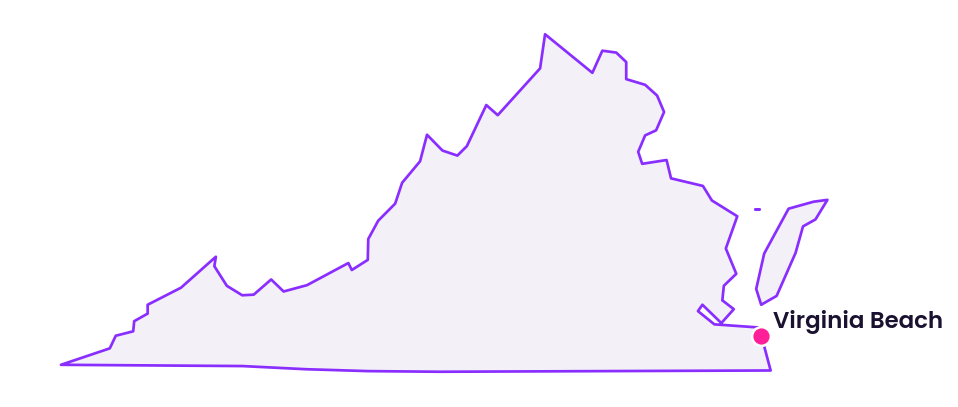
Virginia Beach, Virginia, presents a resilient market underpinned by a diverse economy and strong demographic fundamentals. The city's strategic location, coupled with a significant military presence and growing tourism industry, contributes to a stable employment base. Population growth, though modest, continues to fuel demand for housing across both multifamily and single family sectors. Income levels generally exceed national averages, supporting sustained purchasing power and rental affordability.
The multifamily market in Virginia Beach demonstrates consistent performance with healthy occupancy rates and steady rent growth, driven by an expanding workforce and lifestyle preferences. New construction activity is observed, aiming to meet ongoing demand while maintaining equilibrium. The single family housing market remains competitive, characterized by appreciating values and a demand for single family rentals. Commercial real estate, particularly industrial and retail, benefits from the region's logistical advantages and consumer spending. Office vacancy rates reflect national trends, with a flight to quality.
Key risks include potential impacts from rising insurance costs, particularly related to coastal proximity and climate change, and evolving regulatory landscapes affecting landlords. Opportunities exist in targeted developments addressing specific housing needs, leveraging the city's economic diversification, and exploring sectors benefiting from tourism and defense spending. Investors should consider the stable, albeit sometimes slower paced, growth profile of Virginia Beach, emphasizing due diligence on localized market dynamics and regulatory considerations.
Section 02Population and Migration
Virginia Beach maintains a robust population base, supported by consistent, albeit moderate, growth trends over the past decade. According to the United States Census Bureau's 2023 estimates, the population of Virginia Beach stood at approximately 457,066 residents. This figure represents a slight decrease from the 2020 Decennial Census count of 459,483, indicating a relatively stable population trajectory. The broader Virginia Beach, Norfolk, Newport News, VA NC Metropolitan Statistical Area (MSA), often referred to as Hampton Roads, exhibited a 2023 population of 1,795,781, reflecting its regional significance.
Migration patterns into Virginia Beach are influenced by several factors, including military relocations, job opportunities in defense and tourism, and the area's quality of life. Data from the American Community Survey for 2023 indicates that a notable portion of the population has moved into the city from other parts of Virginia and out of state, with a significant inflow of military personnel and their families. This constant churn of military personnel provides a consistent, though sometimes cyclical, demand for housing. In terms of domestic migration, the MSA generally experiences a net positive inflow of residents, contributing to a steady demand for housing across all sectors. International migration also plays a role, albeit a smaller one, in the overall population dynamics, adding to the cultural diversity and labor pool.
The age distribution of Virginia Beach's population shows a concentration in working age adults, a demographic favorable for both rental and homeownership markets. The median age in Virginia Beach, according to 2023 ACS data, was approximately 37.9 years, slightly lower than the national median, reflecting the younger demographic associated with military presence and family formation. This age profile suggests sustained demand for diverse housing options, from entry level apartments to family oriented single family homes. The population's educational attainment levels are generally high, contributing to a skilled workforce and higher average household incomes.
Section 03Jobs and Economic Anchors
Virginia Beach’s economy is characterized by a strong foundation in military and defense related industries, tourism, and a growing professional and business services sector. These diverse anchors contribute to a stable employment environment, cushioning the city from fluctuations that might affect more specialized economies.
The United States Department of Defense has a substantial presence in the region, with major military installations such as Naval Air Station Oceana and Joint Expeditionary Base Little Creek Fort Story. These bases employ thousands of military and civilian personnel, providing a significant and consistent economic stimulus. According to the Bureau of Economic Analysis (BEA), the military sector alone contributes billions of dollars annually to the regional gross domestic product (GDP) and supports a vast network of contractors and ancillary businesses. This sustained government investment ensures a baseline level of economic activity that is less susceptible to market downturns.
Tourism is another critical economic driver. Virginia Beach is a popular coastal destination, attracting millions of visitors annually. The tourism sector supports a wide array of jobs in hospitality, retail, and entertainment. The Virginia Beach Convention and Visitors Bureau reported over 19 million visitors in 2023, generating substantial revenue and employment opportunities. This seasonal influx of tourists creates demand for both transient lodging and a permanent workforce, indirectly impacting the housing market.
Beyond these two primary sectors, Virginia Beach has diversified its economy into other areas, including healthcare, education, and advanced manufacturing. Major employers in these sectors contribute to a broadening job base. The Bureau of Labor Statistics reported an unemployment rate of 3.1% for the Virginia Beach, Norfolk, Newport News MSA in August 2026, which is generally consistent with or slightly below the national average, indicating a healthy labor market. Job growth in the professional and business services sector has been particularly robust, attracting a skilled workforce and contributing to higher wage employment. The ongoing development of innovation clusters and technology related businesses further strengthens the economic outlook by fostering high value job creation.
Section 04Income
Income levels in Virginia Beach generally exceed both state and national averages, reflecting the city's strong economic base and high educational attainment among its residents. This elevated income supports robust housing demand and rental affordability.
According to the American Community Survey 2023 estimates, the median household income in Virginia Beach was approximately $90,275. This compares favorably to the statewide median of $80,963 and the national median of $75,149 for the same period. The higher median income is attributable to the presence of well paying jobs in the defense, technology, and professional services sectors, as well as the dual income households often seen in military families.
Per capita income in Virginia Beach also reflects this trend, with ACS 2023 data showing an approximate per capita income of $43,789. This figure indicates a strong individual earning capacity that supports a higher standard of living and greater discretionary spending.
The distribution of income across Virginia Beach reveals a significant portion of households in higher income brackets. Approximately 30% of households in Virginia Beach earned over $100,000 annually, according to 2023 ACS data, demonstrating a substantial segment of the population with strong purchasing power. This income distribution supports demand for both premium rental properties and higher valued single family homes. The concentration of military officers and skilled professionals contributes to this favorable income profile, fostering a stable economic environment for real estate investment.
Section 05Housing and Multifamily
The housing market in Virginia Beach is characterized by a consistent demand that supports both single family and multifamily sectors. The city's demographic trends, coupled with its economic drivers, create a stable environment for housing performance.
The multifamily sector in Virginia Beach has shown resilience, with steady occupancy rates and rent growth over recent years. According to CoStar data for Q2 2026, the overall multifamily vacancy rate in Virginia Beach was approximately 5.8%, indicating a healthy balance between supply and demand. This figure aligns with the broader Hampton Roads MSA trends. The average effective rent for multifamily units in Virginia Beach during the same period was reported to be around $1,650 per unit, reflecting a consistent upward trend driven by strong tenant demand and limited new supply in certain submarkets.
New construction in the multifamily sector has been moderate, with developers strategically adding units to meet demand without significantly oversaturating the market. Permits issued by the City of Virginia Beach Planning Department for new multifamily units indicate a focus on mixed use developments and infill projects in desirable areas, suggesting a thoughtful approach to growth. These new developments often feature higher end amenities, attracting a tenant base with higher disposable incomes.
The demand for multifamily housing is primarily driven by young professionals, military personnel, and individuals seeking flexibility and urban amenities. The presence of several higher education institutions in the wider Hampton Roads area also contributes to a student rental market. Rental demand is consistent across various apartment types, from one bedroom units catering to single professionals to larger units accommodating families. The affordability of renting compared to homeownership, particularly for new entrants to the housing market, further supports the multifamily sector's performance. The average household size in Virginia Beach, according to 2023 ACS data, was approximately 2.65 persons, indicating a mix of family structures seeking various housing types.
Section 06Rents
Rents in Virginia Beach have exhibited a steady upward trajectory, reflecting strong demand and a balanced supply in the multifamily market. This growth is a key indicator of the market's health and attractiveness to investors.
According to data from RealPage for Q2 2026, the average effective rent for all multifamily properties in Virginia Beach was approximately $1,650 per unit. This represents an annual rent growth rate of +4.2% over the past twelve months. This growth outpaces the national average in some periods and indicates a robust rental market.
Rent growth has been observed across various apartment classes, with Class A properties often leading the way due to strong demand for modern amenities and prime locations. However, Class B and Class C properties also experience consistent demand, particularly from a broad base of military personnel and service industry workers, often with slightly lower but still positive rent appreciation.
Here is a breakdown of average effective rents by apartment class in Virginia Beach for Q2 2026:
| Apartment Class | Average Effective Rent | Annual Rent Growth |
|---|---|---|
| Class A | $1,980 | +5.1% |
| Class B | $1,550 | +3.8% |
| Class C | $1,320 | +2.9% |
Source: RealPage, Q2 2026.
The consistent rent growth across all classes underscores the fundamental strength of the Virginia Beach rental market. Factors contributing to this include a growing employment base, particularly in defense and tourism, and a stable population seeking rental accommodations. The strong demand from military personnel, who often receive housing allowances, provides a consistent floor for rental rates.
Section 07Vacancy
Vacancy rates in the Virginia Beach multifamily market have remained relatively tight, signaling a healthy demand environment and efficient absorption of new supply. Low vacancy rates contribute to upward pressure on rents and provide stability for property owners.
According to CoStar data for Q2 2026, the overall multifamily vacancy rate in Virginia Beach stood at approximately 5.8%. This figure is indicative of a market that is not oversupplied and where properties are leasing up efficiently. When compared to historical trends and national averages, Virginia Beach's vacancy rate suggests a balanced market with a slight favor towards landlords.
Vacancy rates can vary by property class and submarket. Class A properties, while often commanding higher rents, typically experience slightly lower vacancy rates due to their desirable locations and modern amenities, attracting tenants willing to pay a premium. Conversely, Class B and C properties might have slightly higher, though still manageable, vacancy rates, reflecting different tenant profiles and price points.
Here is a general breakdown of multifamily vacancy rates by property class in Virginia Beach for Q2 2026:
| Apartment Class | Vacancy Rate |
|---|---|
| Class A | 5.2% |
| Class B | 6.0% |
| Class C | 6.5% |
Source: CoStar, Q2 2026.
These vacancy rates highlight a market where demand is consistent across different tiers of multifamily housing. The ability of the market to absorb new units without a significant spike in vacancy indicates underlying economic strength and continued population inflow. The steady flow of military personnel and the city's economic resilience play a crucial role in maintaining these healthy occupancy levels.
Section 08Supply Pipeline
The supply pipeline for multifamily housing in Virginia Beach reflects a cautious yet consistent approach to development, aimed at meeting ongoing demand without creating significant oversupply. Developers are targeting specific submarkets and property types to align with market needs.
According to data from the City of Virginia Beach Planning Department and CoStar, there were approximately 1,200 new multifamily units under construction in Virginia Beach as of Q2 2026. This represents a moderate level of development activity, concentrated in areas with strong growth potential and existing infrastructure. Projects often include a mix of luxury apartments, mixed use developments, and some affordable housing initiatives.
The majority of new construction is concentrated in specific submarkets such as the Central Business District, Town Center, and areas along major transportation corridors. These locations offer access to employment centers, retail amenities, and recreational opportunities, appealing to the target demographic of renters. The focus on high quality, amenity rich properties indicates a response to the demand for modern living spaces from a discerning tenant base.
While the current supply pipeline is manageable, it is essential for investors to monitor new project announcements and construction starts. A sudden surge in development could impact vacancy rates and rent growth in the short term. However, the consistent population growth and employment stability in Virginia Beach suggest that new units are likely to be absorbed over time. The permitting process through the City of Virginia Beach ensures a degree of oversight and aims to balance development with existing infrastructure capacity. Developers are also increasingly incorporating sustainable design and energy efficient features into new projects, appealing to environmentally conscious renters.
Section 09Single Family Homes
The single family housing market in Virginia Beach is robust and competitive, characterized by appreciating values and sustained buyer demand. The single family rental (SFR) market also plays a significant role, catering to a diverse tenant base including military families and those seeking more space.
According to Redfin and Zillow data for Q2 2026, the median sale price for single family homes in Virginia Beach was approximately $395,000. This represents an annual increase of +6.5% over the past twelve months, reflecting strong buyer interest and limited inventory. The number of homes sold also remained healthy, indicating an active market.
The demand for single family homes is driven by factors such as a desire for homeownership, historically low interest rates (though subject to market fluctuations), and the city's attractive quality of life. The presence of numerous military families, many of whom utilize VA loans, contributes significantly to the buyer pool.
The single family rental market in Virginia Beach is equally strong. Many military personnel, due to frequent relocations, opt to rent single family homes, creating consistent demand for SFR properties. Additionally, families seeking more space than traditional apartments offer, or individuals saving for a down payment, often choose SFRs. Rental rates for single family homes generally follow trends in the broader housing market, with modest annual increases. The median rent for a three bedroom single family home in Virginia Beach was approximately $2,400 per month in Q2 2026, according to Zillow rental data.
Inventory levels for single family homes have remained relatively tight, contributing to competitive bidding and quicker sales. The average days on market for single family homes in Q2 2026 was approximately 35 days, indicating a brisk pace of transactions. This tight inventory, coupled with sustained demand, supports continued price appreciation in the single family sector.
Key residential indicators used:
| Residential Indicator | Q2 2026 Figure | Investor Read-Through |
|---|---|---|
| Median single family sale price | $395,000 | Supports a higher replacement-cost and SFR value base |
| Annual single family price change | +6.5% | Indicates continued buyer competition despite affordability pressure |
| Median three bedroom SFR rent | $2,400 per month | Supports rental demand from military and family households |
| Average days on market | 35 days | Shows liquidity is still relatively healthy |
Sources: Redfin and Zillow, Q2 2026.
Section 10Commercial Real Estate and Retail Centers
Virginia Beach's commercial real estate market benefits from its diverse economy, attracting investment across various sectors including office, industrial, and retail. Each sector exhibits unique dynamics shaped by the city's economic anchors.
The office market in Virginia Beach has seen a flight to quality, a trend observed nationally, where newer, amenity rich properties in prime locations command higher occupancy and rents. According to CoStar data for Q2 2026, the overall office vacancy rate in Virginia Beach was approximately 12.5%. While this figure indicates some available space, it is important to note that Class A office properties in desirable submarkets such as Town Center typically have lower vacancy rates, often in the single digits. Average asking rents for Class A office space in Virginia Beach were around $30 per square foot. Demand drivers for office space include professional services, technology firms, and defense contractors.
The industrial and logistics sector is a strong performer in Virginia Beach, driven by the city’s strategic location near ports and major transportation routes. The Port of Virginia, a critical East Coast port, fuels demand for warehousing, distribution, and logistics facilities throughout the Hampton Roads region. CoStar data for Q2 2026 reported an industrial vacancy rate of approximately 4.5% in Virginia Beach, reflecting robust demand and limited new supply. Average asking rents for industrial space were around $10 per square foot, with strong absorption rates. The growth of e-commerce and regional distribution networks continues to bolster this sector.
Retail real estate, particularly grocery anchored centers and lifestyle centers, remains resilient due to strong consumer spending in Virginia Beach. The city's tourism industry also contributes to significant retail activity. CoStar data for Q2 2026 indicated a retail vacancy rate of approximately 6.0% in Virginia Beach. Grocery anchored centers, benefiting from necessity based spending, generally exhibit lower vacancy rates and consistent tenant demand. Average asking rents for retail space were around $25 per square foot. New retail development is often concentrated in mixed use projects that integrate residential and commercial components, creating vibrant community hubs.
Section 11Transactions and Capital Markets
Transaction activity in the Virginia Beach real estate market has been consistent, reflecting investor confidence in the region's stable economic fundamentals. Capitalization rates for various property types remain competitive, attracting both institutional and private investors.
In the multifamily sector, transaction volumes have been robust, with a mix of local and national investors acquiring properties. According to CoStar transaction data for the past 12 months ending Q2 2026, capitalization rates for Class A multifamily assets in Virginia Beach ranged from 4.75% to 5.50%. For Class B properties, cap rates typically ranged from 5.25% to 6.25%. These figures are generally in line with national averages for similar asset classes in strong secondary markets, indicating healthy pricing and investor appetite. The consistent rent growth and low vacancy rates contribute to the attractiveness of multifamily investments.
Commercial real estate transactions, particularly in the industrial and retail sectors, have also shown strength. Industrial properties, driven by strong demand for logistics and distribution, have commanded competitive cap rates, often ranging from 5.00% to 6.00% in Q2 2026. Retail properties, especially those with strong anchors and stable tenancy, have seen cap rates in the range of 6.00% to 7.00%. Office transactions have been more nuanced, with a greater emphasis on location, tenant quality, and building amenities, leading to a wider range of cap rates, typically from 6.50% to 8.00% for well located Class A assets.
The debt markets supporting real estate transactions in Virginia Beach are generally liquid, with a variety of lenders, including regional banks, national banks, and life insurance companies, actively participating. Interest rates, while subject to broader economic conditions, have been favorable for borrowers, supporting acquisition and development activity. Institutional capital has shown a growing interest in the Hampton Roads market, seeking stable returns in a less volatile environment compared to some larger primary markets. Private investors continue to play a significant role, particularly in smaller to mid sized transactions across all property types.
Section 12Taxes
Property taxes in Virginia Beach are a significant consideration for real estate investors, directly impacting operating expenses and investment returns. The city and state levy taxes based on assessed property values, which are subject to periodic reassessment.
The City of Virginia Beach assesses real estate taxes based on 100% of the fair market value of the property. According to the City of Virginia Beach Real Estate Assessor's Office, the real estate tax rate for 2026 is $1.06 per $100 of assessed value. This rate is subject to annual review and potential adjustment by the City Council. For example, a property assessed at $500,000 would incur an annual property tax liability of $5,300.
Property assessments are conducted periodically to reflect changes in market value. The most recent general reassessment was completed in 2024, with values effective for tax year 2025. These reassessments can lead to changes in tax liabilities for property owners. Investors should closely monitor assessment cycles and understand the appeals process available through the Assessor's Office if they believe an assessment is inaccurate.
In addition to city level property taxes, there are no state level real estate property taxes in Virginia. However, other state and local taxes, such as sales tax and income tax, indirectly impact the economic environment and consumer spending, which can affect commercial property performance. Investors should factor in these tax liabilities when conducting financial analyses of potential acquisitions, as they represent a substantial ongoing operating expense for real estate assets. The transparency of the tax assessment process in Virginia Beach allows for accurate financial modeling and due diligence.
Section 13Insurance
Insurance costs in Virginia Beach are a critical consideration for real estate investors, particularly given the city's coastal location and exposure to natural hazards. Premiums for property, flood, and hazard insurance can significantly impact the financial viability of real estate investments.
Virginia Beach is situated on the Atlantic coast, making it susceptible to hurricanes, tropical storms, and coastal flooding. As a result, flood insurance, typically through the National Flood Insurance Program (NFIP) or private carriers, is often required for properties located in designated flood zones. FEMA flood maps are regularly updated, and changes in flood zone designations can impact insurance requirements and costs.
Hazard insurance, covering perils such as wind, hail, and fire, is also a substantial expense. Due to the higher risk of severe weather events in coastal regions, property insurance premiums in Virginia Beach can be higher than in inland areas. The cost of hazard insurance varies based on the age and construction of the property, its proximity to the coast, and the specific deductible chosen. Actuarial data from NOAA and various insurance providers indicates a trend of increasing premiums for coastal properties due to a heightened awareness of climate related risks.
It is crucial for investors to obtain comprehensive insurance quotes from multiple carriers and thoroughly understand the coverage terms, deductibles, and exclusions. Rising insurance costs can erode investment returns if not adequately factored into financial projections. Some properties may also require wind and hail specific policies, further segmenting the insurance landscape. The availability and affordability of insurance are key due diligence items for any real estate acquisition in Virginia Beach.
Section 14Landlord Tenant and Regulatory Environment
The landlord tenant and regulatory environment in Virginia Beach is governed by the Virginia Residential Landlord and Tenant Act (VRLTA) at the state level, supplemented by local ordinances. Investors in multifamily and single family rental properties must be well versed in these regulations to ensure compliance and mitigate legal risks.
The VRLTA provides a comprehensive framework outlining the rights and responsibilities of both landlords and tenants. Key provisions include requirements for lease agreements, security deposit limits and return procedures, maintenance responsibilities, eviction processes, and notice periods for rent increases or lease terminations. For example, the VRLTA limits security deposits to no more than two months' rent and stipulates a 45 day period for the return of the deposit after tenancy ends, subject to deductions for damages.
At the local level, the City of Virginia Beach may have specific ordinances related to housing codes, property maintenance, and rental permits. For instance, certain areas or property types might require specific inspections or licensing.
The eviction process in Virginia is court supervised, requiring landlords to follow specific legal procedures, including proper notice and filing an unlawful detainer action. Understanding these legal steps is paramount to avoid costly delays and potential legal challenges. Changes to landlord tenant laws, both at the state and local levels, can occur, and investors should stay informed of any legislative updates that could impact their operations. Access to legal counsel specializing in landlord tenant law is advisable to navigate the complexities of the regulatory landscape and ensure adherence to all applicable statutes.
Section 15Infrastructure
Virginia Beach benefits from well developed infrastructure that supports its economic activities, military operations, and growing population. The city's transportation networks, utilities, and public services are crucial for maintaining its attractiveness as a place to live and invest.
Transportation infrastructure includes a comprehensive network of interstate highways, such as Interstate 64 and Interstate 264, connecting Virginia Beach to the wider Hampton Roads region and beyond. These highways facilitate the movement of goods and people, supporting commercial activity and commuter flows. The city also has several major arterial roads that provide access to its diverse neighborhoods and attractions. Public transportation is provided by Hampton Roads Transit (HRT), offering bus services throughout the city, though private vehicle ownership remains prevalent.
The Norfolk International Airport (ORF), located just outside Virginia Beach, serves as the primary commercial air travel hub for the region, connecting residents and businesses to domestic and international destinations. The presence of the Port of Virginia, a deep water port, is a major asset for industrial and logistics businesses, facilitating international trade and supporting a robust maritime industry.
Utility services in Virginia Beach are well established, including reliable access to water, sewer, electricity, and natural gas. The city's Department of Public Utilities manages water and wastewater services, while private providers such as Dominion Energy supply electricity. Telecommunications infrastructure, including broadband internet and cellular services, is widely available, supporting both residential and commercial needs. Ongoing infrastructure projects, such as road improvements and utility upgrades, are periodically undertaken by the city to maintain and enhance these critical systems. These investments are vital for supporting future growth and resilience.
Section 16Climate and Physical Risks
Virginia Beach's coastal location, while offering significant economic and recreational benefits, also exposes it to certain climate and physical risks that real estate investors must carefully evaluate. These risks primarily involve hurricanes, coastal flooding, and sea level rise.
Hurricanes and tropical storms are a recurring concern for Virginia Beach, particularly during the Atlantic hurricane season from June to November. These events can bring high winds, heavy rainfall, and storm surges, leading to property damage and disruptions. According to data from the National Oceanic and Atmospheric Administration (NOAA), Virginia Beach has experienced numerous hurricane impacts over its history, necessitating robust building codes and emergency preparedness measures. Properties built to current building codes are generally more resilient to wind damage, but older structures may be more vulnerable.
Coastal flooding is another significant risk, exacerbated by tidal cycles, heavy rainfall, and sea level rise. Portions of Virginia Beach are in low lying areas and designated flood zones by FEMA. Sea level rise projections from NOAA indicate a continuing upward trend for the Chesapeake Bay region, which will likely increase the frequency and severity of nuisance flooding and storm surge events in the future.
Mitigation efforts by the City of Virginia Beach include ongoing projects to improve stormwater management, restore natural coastal buffers, and adapt infrastructure to sea level rise. These initiatives aim to enhance the city's resilience. However, investors should conduct thorough due diligence on individual properties, including their elevation, proximity to waterways, and historical flood exposure. The long term impacts of climate change on property values and insurance costs are important considerations for sustainable real estate investment in this coastal market.
Section 17Neighborhoods and Submarkets
Virginia Beach comprises a diverse array of neighborhoods and submarkets, each with its unique characteristics, demographics, and real estate dynamics. Understanding these distinctions is crucial for targeted investment strategies.
Oceanfront: This submarket is primarily characterized by tourism, hospitality, and residential condominiums. It features a mix of high rise hotels, vacation rentals, and permanent residences. Property values are generally higher due to direct beach access and ocean views. Retail and dining establishments cater to both tourists and locals. Investment here often focuses on hospitality assets or high end residential units.
Town Center: Located in the geographic center of the city, Town Center is a vibrant urban core with a mix of Class A office space, luxury apartments, upscale retail, and entertainment venues. It serves as a major employment hub and a desirable residential location for professionals seeking an urban lifestyle. Multifamily properties here command premium rents and have lower vacancy rates.
Great Neck / Shore Drive: These areas are known for their affluent single family homes, waterfront properties, and scenic views of the Chesapeake Bay. They attract a wealthier demographic seeking larger homes and a more suburban yet upscale lifestyle. The retail in these areas tends to be boutique and caters to local residents.
Kempsville / Princess Anne: These more established suburban areas offer a mix of single family homes, some older multifamily complexes, and community retail centers. They are popular with families due to good schools and a quieter residential environment. Property values are generally more moderate, offering attractive entry points for both homebuyers and investors in more affordable housing options.
Oceana / Dam Neck: These submarkets are heavily influenced by the military presence, with a high concentration of military personnel and their families. Housing stock includes a mix of single family homes and multifamily complexes, often catering to the transient nature of military assignments. Demand for rental properties, particularly single family rentals, is consistently strong in these areas.
Greenbrier (Chesapeake, VA): While technically in the neighboring City of Chesapeake, this submarket is a significant commercial hub for the broader Hampton Roads region and impacts Virginia Beach's economic activity. It features substantial office and retail developments, drawing commuters and shoppers from Virginia Beach.
Investors should conduct granular analysis of these submarkets, considering localized demographics, demand drivers, and supply pipelines to identify the most suitable investment opportunities aligned with their objectives. The distinct characteristics of each area mean that a blanket approach to investment may not yield optimal results.
Section 18Opportunities
Virginia Beach offers several compelling opportunities for real estate investors, stemming from its stable economy, diverse demand drivers, and ongoing development initiatives.
Multifamily Development and Value Add: The consistent demand from military personnel, young professionals, and families, coupled with a healthy employment base, creates sustained demand for multifamily housing. Opportunities exist in developing new Class A and Class B multifamily projects, particularly in submarkets experiencing growth such as Town Center or areas with easy access to employment centers. Additionally, acquiring older, well located Class B or C multifamily properties and undertaking value add renovations can generate attractive returns through increased rents and enhanced property values.
Single Family Rental (SFR) Market: The strong presence of military families and a general preference for single family living make the SFR market in Virginia Beach a robust investment opportunity. Acquiring and managing single family homes for rent, particularly in areas near military bases or with good school districts, can provide stable cash flow and long term appreciation. The turnover associated with military assignments often ensures a consistent pool of renters.
Industrial and Logistics Facilities: Virginia Beach's proximity to the Port of Virginia and major transportation networks creates strong demand for industrial and logistics properties. Opportunities include developing new warehousing and distribution centers, particularly those catering to e-commerce fulfillment or specialized logistics needs. Value add opportunities may also exist in upgrading older industrial facilities to meet modern tenant requirements.
Targeted Retail Investments: While the broader retail market faces challenges, grocery anchored retail centers in Virginia Beach remain resilient due to necessity based spending. Investing in well located, grocery anchored centers with stable tenants and strong co tenancy can provide consistent income streams. Opportunities may also arise in developing or redeveloping mixed use projects that integrate retail with residential and other commercial components, creating vibrant community hubs.
Economic Diversification: The city's efforts to diversify its economy beyond military and tourism, focusing on technology, healthcare, and advanced manufacturing, present opportunities for commercial real estate supporting these growth sectors. This could include specialized office space, research and development facilities, or properties tailored to specific industry needs.
Section 19Risks
Despite its inherent strengths, Virginia Beach presents certain risks that real estate investors must carefully consider in their due diligence process.
Coastal and Climate Risks: The most prominent risk is the city's exposure to natural hazards, specifically hurricanes, tropical storms, and coastal flooding exacerbated by sea level rise. This can lead to increased insurance costs, potential property damage, and disruptions to business operations. Long term impacts on property values in highly vulnerable areas are also a concern. Investors must thoroughly assess flood risk, elevation, and historical flood data for each property.
Military Dependence: While the military presence provides significant economic stability, a high degree of reliance on defense spending carries inherent risks. Changes in military budgets, base closures, or troop realignments could have a localized impact on employment, housing demand, and overall economic activity. Although highly unlikely, such scenarios represent a tail risk that should be acknowledged.
Regulatory Changes: Evolving landlord tenant laws and local ordinances could impact operating costs and investment returns for rental property owners. Stricter regulations on rent control, eviction procedures, or property maintenance could add complexities and expenses to property management. Staying informed of legislative developments is crucial.
Interest Rate Fluctuations: The broader economic environment, particularly interest rate changes, can affect the cost of financing real estate acquisitions and development. Rising interest rates can reduce borrowing capacity, compress capitalization rates, and cool buyer demand in both commercial and residential sectors.
Construction Costs and Supply Chain Issues: Fluctuations in construction material costs and potential supply chain disruptions can impact the feasibility and profitability of new development projects. These factors can lead to project delays and cost overruns, affecting timelines and budgets.
Competition: While demand is strong, Virginia Beach is an attractive market, leading to competition for desirable assets. This competition can drive up acquisition prices and potentially compress yields, particularly for core assets. Investors need to be strategic in their acquisition approach and identify opportunities that may be overlooked by larger institutional players.
Section 20Investor Implications
Investing in Virginia Beach real estate implies a focus on stability, consistent cash flow, and moderate appreciation, rather than rapid, speculative growth. The market's diverse economic base and demographic trends support a resilient investment environment.
For multifamily investors, the implication is a reliable income stream driven by steady demand from a diverse tenant base, including military personnel and a growing professional workforce. Opportunities exist in both core acquisitions and value add strategies. Due diligence should heavily weigh submarket analysis, identifying areas with strong employment nodes and limited new supply. Understanding and managing increasing insurance costs is paramount for maintaining profitability.
Single family rental (SFR) investors can expect stable occupancy and demand, particularly in areas favored by military families. The market offers a balance of consistent rental income and long term capital appreciation. However, competitive acquisition pricing for single family homes necessitates careful underwriting and a clear understanding of local property management nuances.
Commercial real estate investors should prioritize industrial and logistics assets, leveraging the region's strong port infrastructure and growing e-commerce activity. Retail investments should focus on necessity based, grocery anchored centers with strong tenant rosters. Office investments require a discerning approach, favoring Class A properties in prime locations that cater to modern tenant demands.
Risk management is a critical implication. Investors must thoroughly assess and mitigate climate related risks, including flood exposure and rising insurance premiums. Staying abreast of landlord tenant regulations and local ordinances is essential for compliance and operational efficiency. Diversifying across property types and submarkets within Virginia Beach can help mitigate specific localized risks.
Overall, Virginia Beach offers a compelling market for accredited investors seeking stable, long term returns in a resilient coastal economy. A disciplined approach to due diligence, a deep understanding of submarket dynamics, and a proactive stance on risk mitigation are key to successful investment in this region.
Section 21Conclusion
Virginia Beach, Virginia, stands as a mature and resilient real estate market, offering a blend of stability and growth potential for accredited investors. Its economic backbone, firmly rooted in military presence, a thriving tourism industry, and a diversifying professional sector, provides a consistent demand for housing and commercial properties. Population demographics, characterized by a younger median age and strong income levels, underscore the sustained need for both multifamily and single family housing options.
The multifamily sector demonstrates healthy fundamentals with manageable vacancy rates and steady rent growth across all property classes. The single family market remains competitive, with strong price appreciation and a robust single family rental segment. Commercial real estate, particularly industrial and well anchored retail, exhibits strong performance, while the office market continues its flight to quality.
However, the coastal location introduces inherent climate and physical risks, demanding careful consideration of insurance costs and long term resilience planning. The regulatory environment for landlords, governed by state and local laws, requires diligent compliance.
Opportunities abound in strategic multifamily development, value add acquisitions, targeted single family rental investments, and industrial properties. Risks can be mitigated through thorough due diligence, diversified portfolios, and proactive management strategies. For investors seeking stable, income generating assets in a market with strong underlying economic drivers, Virginia Beach presents a compelling, albeit nuanced, proposition.
Sources
- United States Census Bureau: Population estimates and demographic data, various reports from 2020-2023. Available at www.census.gov
- American Community Survey (ACS): Income, migration, and demographic data, 2023 estimates. Available at www.census.gov/programs-surveys/acs
- Bureau of Labor Statistics (BLS): Unemployment rates and employment data for Virginia Beach, Norfolk, Newport News MSA, August 2026. Available at www.bls.gov
- Bureau of Economic Analysis (BEA): Gross Domestic Product and economic contribution data for military and other sectors, various reports. Available at www.bea.gov
- City of Virginia Beach Planning Department: Building permits and development plans, various reports. Available at www.virginiabeach.gov/government/departments/planning
- City of Virginia Beach Real Estate Assessor's Office: Real estate tax rates and assessment information, 2026 tax year. Available at www.virginiabeach.gov/government/departments/assessor
- CoStar Group: Multifamily vacancy, rents, and construction data; office, industrial, and retail vacancy, rents, and transaction data, Q2 2026. Available by subscription to CoStar.
- RealPage: Multifamily rent growth data, Q2 2026. Available by subscription to RealPage.
- Redfin: Single family home sales data and median sale prices, Q2 2026. Available at www.redfin.com
- Zillow: Single family home sales data, median sale prices, and rental data, Q2 2026. Available at www.zillow.com
- FEMA (Federal Emergency Management Agency): Flood Insurance Rate Maps (FIRMs) and flood zone designations. Available at www.fema.gov/flood-maps
- NOAA (National Oceanic and Atmospheric Administration): Hurricane historical data and sea level rise projections. Available at www.noaa.gov
- Virginia Beach Convention and Visitors Bureau: Tourism visitor statistics, 2023. Available at www.visitvirginiabeach.com/media/research
- Virginia Residential Landlord and Tenant Act (VRLTA): State statutes governing landlord tenant relations. Available through the Virginia Code.