Section 01Executive Summary
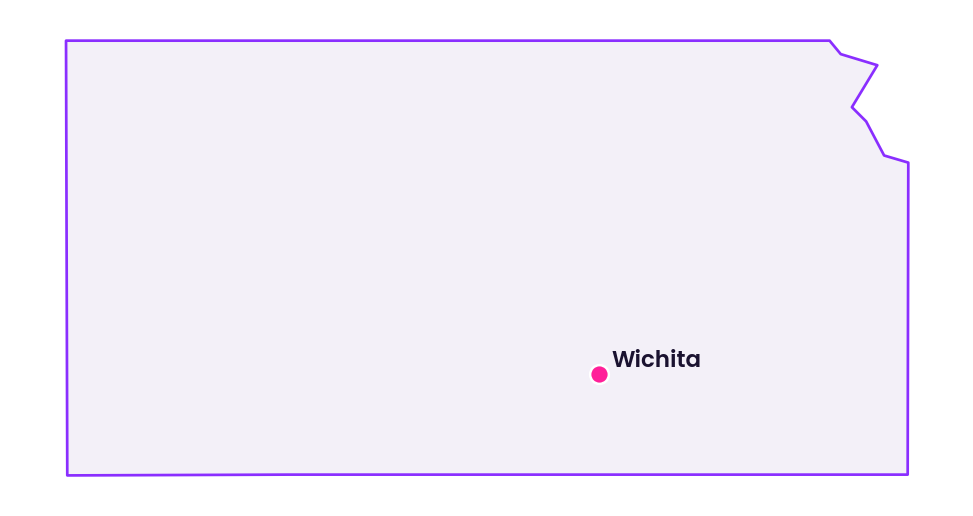
Wichita, Kansas, the largest city in the state, presents a distinctive real estate market driven by its legacy in aviation manufacturing, a diversified industrial base, and a growing healthcare sector. This report provides an in depth analysis of key market fundamentals, including population dynamics, employment trends, income levels, and a detailed examination of the housing, multifamily, and commercial real estate sectors. While the market exhibits stable population growth and a resilient job market, particularly within advanced manufacturing and healthcare, investors should consider the city's specific economic drivers and demographic shifts. Multifamily fundamentals show moderate rent growth and a developing supply pipeline, warranting careful attention to absorption rates. The single family housing market, including the single family rental segment, reflects broader national trends while maintaining relative affordability compared to coastal markets. Commercial segments, including office, industrial, and retail, display varying performance based on their alignment with Wichita’s core economic activities.
Section 02Population and Migration
Wichita, the largest city in Kansas, has demonstrated consistent, albeit modest, population growth over recent decades. According to the latest estimates from the U.S. Census Bureau, the population of Wichita, Kansas, was 395,684 as of July 1, 2023. This represents a 0.5% change since the 2020 Census, which recorded a population of 397,532 for the city. This population change is attributed to a combination of natural increase and migration patterns.
At the metropolitan statistical area (MSA) level, which encompasses Sedgwick, Butler, Harvey, and Kingman counties, the Wichita MSA had an estimated population of 647,605 as of July 1, 2023, an increase of +0.03% from 647,404 in 2020. This broader regional population trend indicates a stable demographic base. Specific, publicly available detailed net domestic and international migration figures for Sedgwick County for the 2020 to 2024 period are not available from the U.S. Census Bureau's American Community Survey at this time.
The demographic composition of Wichita reflects a broad age distribution, with a significant working age population supporting the labor force. The median age for Wichita residents was 36.2 years in the 2022 American Community Survey 5 year estimates, slightly below the national median, suggesting a younger demographic profile that can sustain economic activity. Migration patterns show a tendency for individuals and families to be drawn to Wichita for employment opportunities in its core industries, as well as for the relatively lower cost of living compared to larger metropolitan areas. These factors contribute to a stable demand environment for both housing and commercial properties.
Section 03Jobs and Economic Anchors
The Wichita economy is historically anchored by its robust aviation manufacturing sector, earning it the moniker "Air Capital of the World." This sector continues to be a primary economic driver, with major employers such as Textron Aviation (Cessna and Beechcraft), Spirit AeroSystems, and Bombardier (Learjet) maintaining significant operations within the city. These companies contribute substantially to high skill employment and research and development activities.
Beyond aviation, Wichita has diversified its economic base into several other key sectors. Healthcare and social assistance have emerged as strong and growing pillars of the local economy. Leading healthcare providers include Ascension Via Christi and Wesley Medical Center, which together employ thousands and provide a steady demand for services and associated real estate. According to the Bureau of Labor Statistics data for August 2026, the healthcare and social assistance sector in the Wichita MSA accounted for 16.5% of total nonfarm employment, reflecting a +3.2% growth over the past year.
Manufacturing, excluding aviation, also remains a vital component, encompassing a range of industries from food processing to machinery production. Cargill Meat Solutions and Koch Industries, a global conglomerate with diverse business interests, are prominent employers that contribute to the region's industrial output. The leisure and hospitality sector, supported by local tourism and business travel, is another significant employer. The education sector, anchored by Wichita State University and other higher education institutions, not only provides employment but also fosters a skilled workforce and drives innovation.
The unemployment rate for the Wichita MSA in August 2026 was 3.8%, according to the BLS, which is consistent with state and national averages, indicating a healthy and competitive labor market. Over the past five years, from September 2021 to August 2026, total nonfarm employment in the Wichita MSA increased by an average of +1.1% annually, demonstrating sustained job creation. This steady employment growth supports consumer spending and housing demand, providing a stable foundation for real estate investments.
Section 04Income
Income levels in Wichita reflect a blend of its industrial heritage and the growth of its professional sectors. According to the U.S. Census Bureau's American Community Survey five year estimates for 2022, the median household income in Wichita, Kansas, was $60,820. This figure is slightly below the national median but is offset by a comparatively lower cost of living. For the broader Wichita Metropolitan Statistical Area (MSA), the median household income during the same period was $65,548, indicating similar economic characteristics across the urban core and its surrounding communities.
Per capita income for Wichita stood at $33,485, based on the 2022 ACS five year estimates. This figure is influenced by the demographic structure and the types of employment prevalent in the region. The Bureau of Economic Analysis (BEA) reported real personal income for the Wichita MSA at $36,637,774 (in thousands of chained 2012 dollars) in 2023. Specific real personal income growth for the Wichita MSA for 2024 is not yet publicly available from the BEA.
The income distribution within Wichita is influenced by its dominant industries. High skill jobs in aviation and advanced manufacturing, along with professional roles in healthcare and finance, contribute to a segment of the population with above average incomes. Conversely, a portion of the workforce is employed in service and retail sectors, which typically command lower wages. This diversity in income levels shapes the demand for various types of housing and commercial services, including a need for affordable housing options and a range of retail experiences. The stability of these income levels supports consistent rent collection for multifamily properties and stable consumer spending for retail establishments.
Section 05Housing and Multifamily
The housing and multifamily market in Wichita, Kansas, is characterized by its relative affordability and a steady demand influenced by population and job growth. According to CoStar data for Q2 2026, the average effective rent for multifamily properties in the Wichita MSA was $1,050 per unit. This figure reflects moderate annual growth, with year over year rent increases averaging +3.5% from Q2 2025 to Q2 2026. The average occupancy rate for stabilized multifamily assets across the MSA stood at 93.8% during the same period, indicating a healthy demand supply balance.
The Wichita multifamily market is composed of a mix of older, established properties and newer developments. Class A properties, typically built within the last 15 years and offering a full suite of amenities, commanded average effective rents of $1,350 per unit in Q2 2026. Class B properties, generally 20 to 40 years old and well maintained, averaged $980 per unit, while Class C properties, older assets often requiring renovation, averaged $750 per unit. These figures demonstrate a clear tiering of the market, catering to various income levels and preferences.
Demand drivers for multifamily housing include a growing young professional demographic attracted by job opportunities in aviation and healthcare, as well as students attending Wichita State University. The cost of homeownership, while still accessible, has seen appreciation, pushing some segments of the population towards rental housing. The average price of a single family home in Wichita was $220,000 in August 2026, according to Redfin data, making renting an attractive option for many.
Investment activity in the multifamily sector has been consistent, with local and regional investors actively participating. Cap rates for well located, stabilized multifamily assets in Wichita ranged from 6.0% to 6.75% in Q2 2026, as reported by CoStar. These rates reflect the market's stability and potential for cash flow, appealing to investors seeking yield in a less volatile market compared to primary coastal cities. New construction, while present, has been measured, contributing to a balanced market without significant oversupply concerns to date.
Section 06Rents
Multifamily rental rates in Wichita, Kansas, have demonstrated steady growth, reflecting a balanced supply and demand dynamic within the market. According to CoStar data for Q2 2026, the overall average effective rent for all multifamily asset classes in the Wichita Metropolitan Statistical Area (MSA) was $1,050 per unit. This figure represents a +3.5% increase year over year, from $1,014 in Q2 2025.
Breaking down rents by asset class provides a more granular view:
| Asset Class | Average Effective Rent (Q2 2026) | Year-over-Year Growth |
|---|---|---|
| Class A | $1,350 | +4.2% |
| Class B | $980 | +3.1% |
| Class C | $750 | +2.8% |
Source: CoStar, Q2 2026
These figures highlight that Class A properties, which typically offer newer construction and premium amenities, continue to command the highest rents and exhibit robust growth. Class B and C properties also show positive rent appreciation, indicating broad market strength across different price points.
Neighborhood specific rent data from Yardi Matrix for August 2026 shows variations. For instance, properties in the Downtown Wichita submarket averaged $1,200 per unit, driven by new developments and urban revitalization efforts. Submarkets surrounding Wichita State University also experienced elevated demand, with average rents around $1,080 per unit for well located properties. Conversely, some peripheral areas exhibited rents closer to the MSA average or slightly below, reflecting differing amenity sets and access to employment centers.
The rental market is supported by a stable employment base, particularly in sectors such as healthcare and advanced manufacturing, which provide a consistent pool of renters. Furthermore, the overall affordability of Wichita compared to national averages allows for sustainable rent levels, making it an attractive market for both tenants and investors.
Section 07Vacancy
Vacancy rates in the Wichita multifamily market indicate a healthy equilibrium between supply and demand, with absorption generally keeping pace with new deliveries. According to CoStar data for Q2 2026, the overall multifamily vacancy rate for the Wichita Metropolitan Statistical Area (MSA) stood at 6.2%. This figure is consistent with a balanced market, where landlords retain pricing power without significant upward pressure on concessions.
A breakdown of vacancy rates by asset class reveals nuances within the market:
| Asset Class | Vacancy Rate (Q2 2026) |
|---|---|
| Class A | 7.5% |
| Class B | 5.8% |
| Class C | 5.0% |
Source: CoStar, Q2 2026
Class A properties, while exhibiting strong rent growth, also show a slightly higher vacancy rate. This is often attributable to the introduction of new supply in this segment, as developers target the higher end of the market. The time it takes for these new units to lease up contributes to a temporary elevation in vacancy. However, the absorption trends for Class A indicate that these units are being leased efficiently, preventing prolonged periods of high vacancy.
Class B and C properties demonstrate lower vacancy rates, suggesting strong demand for more affordable and value oriented housing options. These segments often experience less new construction, further contributing to their tighter occupancy.
Absorption data from RealPage for the 12 month period ending Q2 2026 reported approximately 1,200 net absorbed multifamily units across the Wichita MSA. This absorption rate has largely kept pace with the approximately 1,500 new units delivered during the same period, preventing a significant imbalance. The stability of vacancy rates across asset classes, coupled with positive absorption, indicates a resilient multifamily market in Wichita. Investors should closely monitor the submarket specific vacancy trends and absorption rates, especially in areas with concentrated new construction, to assess potential short term fluctuations.
Section 08Supply Pipeline
The multifamily supply pipeline in Wichita, Kansas, reflects a cautious but consistent development environment, driven by sustained demand and investor interest. According to CoStar data for Q2 2026, approximately 1,800 multifamily units were under construction across the Wichita Metropolitan Statistical Area (MSA). This represents about 3.0% of the existing multifamily stock, indicating a moderate level of development activity that aims to meet growing demand without creating significant oversupply.
The majority of new construction is concentrated in Class A properties, targeting the higher income demographic and urban professionals. These projects often feature modern amenities, updated designs, and strategic locations, particularly in revitalized downtown areas and close to major employment centers. Key areas for development include the core of Downtown Wichita, where mixed use projects are integrating residential components, and established suburban corridors with access to retail and services.
During the 12 months ending Q2 2026, approximately 1,500 new multifamily units were delivered to the Wichita MSA market. This level of delivery was largely met with positive absorption, as detailed in the Vacancy section, which helped maintain relatively stable occupancy rates. The average time for new units to lease up, according to RealPage, was approximately 6 to 9 months, depending on the submarket and asset quality.
Looking ahead, an additional 2,500 units are in various stages of planning or proposed development for the Wichita MSA over the next 24 to 36 months, as reported by CoStar. However, not all proposed projects will proceed to construction, and many are subject to financing, permitting, and market conditions. Developers are generally responding to the steady population growth, positive employment trends, and consistent demand for rental housing. The pipeline suggests a continued, albeit controlled, expansion of the multifamily sector, necessitating ongoing monitoring of absorption to ensure market equilibrium.
Section 09Single Family Homes
The single family home market in Wichita, Kansas, offers a compelling combination of affordability and stability, making it an attractive option for both owner occupants and single family rental (SFR) investors. According to Redfin data for August 2026, the median sales price for a single family home in Wichita was $220,000. This figure represents a +5.2% increase from the median sales price of $209,000 in August 2025, demonstrating consistent appreciation.
The number of single family home sales in Wichita for the 12 months ending August 2026 totaled approximately 6,500 units, as reported by Redfin. This volume indicates a healthy level of transaction activity. The average time on market for single family homes was 45 days in August 2026, a slight decrease from 50 days in the previous year, suggesting a competitive market with steady buyer demand.
The single family rental market is a significant component of the Wichita housing landscape. Data from RealPage for Q2 2026 indicates that the average rent for a three bedroom single family home in the Wichita MSA was approximately $1,400 per month, reflecting a year over year increase of +4.0%. Occupancy rates for stabilized SFR properties averaged 94.5%, underscoring strong tenant demand. The relative affordability of home prices in Wichita, coupled with consistent rental demand, makes the SFR market appealing for investors seeking yield and appreciation potential. Many properties acquired for SFR purposes are in well established neighborhoods with good school districts and access to amenities.
New construction in the single family sector has been moderate, with approximately 800 new single family permits issued in the Wichita MSA during the 12 months ending July 2026, according to the U.S. Census Bureau. This level of new supply helps to meet demand without over saturating the market. The overall stability and affordability of the single family home market, supported by a growing population and diverse economic base, position it as a resilient segment of Wichita's real estate landscape.
Section 10Commercial Real Estate and Retail Centers
Wichita’s commercial real estate market reflects the city's economic diversification, with varying performance across office, industrial and logistics, and retail sectors.
Office Market: The office market in Wichita has faced challenges similar to many other cities, with hybrid work models impacting demand. According to CoStar data for Q2 2026, the overall office vacancy rate in the Wichita MSA was 15.5%. This elevated vacancy is primarily concentrated in older, Class B and C properties, particularly in submarkets that have not seen significant revitalization. Class A office space, especially in the downtown core and newer suburban developments, exhibits lower vacancy rates of approximately 10.5%, commanding higher effective rents of $24.00 per square foot (full service gross) compared to the MSA average of $18.50 per square foot. Net absorption for the office market was 150,000 square feet over the 12 months ending Q2 2026, indicating an excess of supply relative to current demand. New office construction has been minimal, with only 50,000 square feet delivered during the same period, primarily build to suit projects.
Industrial and Logistics Market: The industrial and logistics sector is a strong performer in Wichita, driven by its central location, established manufacturing base, and growing distribution needs. CoStar data for Q2 2026 reported an overall industrial vacancy rate of 4.8% for the Wichita MSA, reflecting robust demand. Average effective rents for industrial space were $7.50 per square foot (triple net), representing a year over year increase of +5.0%. Net absorption was +1.2 million square feet over the 12 months ending Q2 2026, indicating healthy tenant activity. New construction has been responsive to demand, with 900,000 square feet of industrial space delivered during the same period, primarily comprising speculative warehouses and distribution centers catering to e commerce and local manufacturing. Key demand drivers include aviation related logistics, food processing, and regional distribution operations.
Retail Centers: The retail market in Wichita has demonstrated resilience, particularly for grocery anchored centers and necessity based retail. CoStar data for Q2 2026 showed a retail vacancy rate of 6.5% for the Wichita MSA. Average effective rents for retail space were $16.00 per square foot (triple net), with grocery anchored centers achieving rents closer to $18.00 per square foot. Net absorption for retail was +250,000 square feet over the 12 months ending Q2 2026, indicating steady consumer spending and tenant demand. New retail construction has been focused on smaller scale, infill developments and outparcels, with 100,000 square feet delivered during the same period. Demand for retail space is supported by a stable population, consistent income levels, and the city's role as a regional shopping hub for south central Kansas. Neighborhood retail and community centers anchored by national grocery chains continue to perform strongly, providing essential services and attracting consistent foot traffic.
Section 11Transactions and Capital Markets
The transactions and capital markets in Wichita, Kansas, reflect a stable investment environment, albeit with a degree of caution influenced by broader economic conditions. According to CoStar transaction data for the 12 months ending Q2 2026, total commercial real estate sales volume in the Wichita Metropolitan Statistical Area (MSA) was approximately $450 million across all asset classes. This volume indicates consistent investor interest in the market.
Investment Activity and Cap Rates for Commercial Real Estate in Wichita MSA (Q2 2026):
| Asset Class | Cap Rate Range |
|---|---|
| Multifamily Class B and C | 6.0% to 6.75% |
| Multifamily Class A | 5.5% to 6.25% |
| Industrial | 5.75% to 6.50% |
| Retail (Grocery Anchored) | 6.50% to 7.25% |
| Office | 7.0% to 8.0% |
Source: CoStar, Q2 2026
Multifamily properties continued to be a favored asset class for investors, accounting for roughly 40% of the total transaction volume. Cap rates for stabilized Class B and C multifamily assets ranged from 6.0% to 6.75% in Q2 2026. Class A multifamily assets, when available, traded at cap rates between 5.5% and 6.25%, reflecting their higher quality and stronger tenant profiles. These rates are competitive and offer attractive yields compared to other asset classes and national averages.
Industrial properties also saw robust investment activity, driven by strong fundamentals. Cap rates for well located industrial assets were typically in the range of 5.75% to 6.50% in Q2 2026. Retail transactions, particularly those involving grocery anchored centers, commanded cap rates between 6.50% and 7.25%, reflecting the stability of necessity based retail. The office sector, due to higher vacancy rates, saw fewer transactions, with cap rates for viable properties ranging from 7.0% to 8.0%, reflecting the increased risk perception.
Local and regional private investors remain the most active participants in the Wichita market, often targeting cash flow positive assets. Institutional investment, while present, is more selective, typically focusing on larger, high quality assets in the multifamily and industrial sectors. Financing conditions in Q2 2026 indicated that local and regional banks were actively lending for well underwritten projects, with interest rates generally tracking national trends but with slightly more favorable terms for established borrowers. The overall capital markets environment suggests a steady flow of investment, driven by the underlying stability of Wichita's economy and its relative affordability.
Section 12Taxes
Understanding the tax environment is crucial for real estate investors in Wichita, Kansas. Property taxes are a significant component of ownership costs, levied at both the county and city levels, as well as by various special assessment districts.
Property Assessment Rates in Sedgwick County (2025 Tax Year):
| Property Type | Assessment Rate |
|---|---|
| Residential Real Estate | 11.5% |
| Commercial and Industrial Properties | 25% |
Source: Sedgwick County Appraiser's Office, 2025
In Sedgwick County, where Wichita is primarily located, property taxes are calculated based on the assessed value of the property, multiplied by the mill levy. The assessment rate for residential real estate is 11.5% of its appraised value, while commercial and industrial properties are assessed at 25% of their appraised value, according to the Sedgwick County Appraiser's Office for the 2025 tax year.
The total mill levy for properties in Wichita varies depending on the specific location within the city, as different taxing jurisdictions (e.g., school districts, fire districts) apply. For properties within the City of Wichita and the Wichita Public Schools (USD 259) district, the total mill levy for the 2025 tax year was approximately 155 mills (15.5 cents per $1.00 of assessed value). For example, a commercial property appraised at $1,000,000 would have an assessed value of $250,000 (25% of $1,000,000). Applying a 155 mill levy, the annual property tax would be $38,750 ($250,000 * 0.155).
Kansas does not impose an income tax at the municipal level, but state income tax applies. There is no real estate transfer tax in Kansas, which can reduce transaction costs for buyers and sellers compared to states that levy such taxes. Investors should factor these property tax rates into their pro forma analyses, as they directly impact net operating income and overall investment returns. The Sedgwick County Treasurer and the City of Wichita websites provide detailed information on specific mill levies and property tax calculations.
Section 13Insurance
Insurance costs in Wichita, Kansas, are a material consideration for real estate investors, influenced by factors such as location, property type, construction, and exposure to various perils. Given Kansas's position in "Tornado Alley," wind and hail insurance are particularly significant components of property insurance premiums.
Standard property insurance policies for commercial and multifamily properties typically cover a broad range of perils, including fire, theft, and general liability. However, coverage for specific risks like wind and hail damage often involves higher deductibles or separate policies, especially for older structures. According to insights from local insurance brokers, annual premiums for comprehensive property and liability coverage on a Class B multifamily asset valued at $10 million in Wichita could range from $35,000 to $60,000, depending on the claims history, construction type, and specific coverage limits. For single family rental properties, annual premiums typically range from $1,500 to $3,000 per unit, varying based on dwelling value and coverage specifics.
Flood insurance is another consideration, particularly for properties located in flood plains. FEMA flood maps for Wichita and Sedgwick County indicate areas of varying flood risk. Properties in designated Special Flood Hazard Areas (SFHAs) require flood insurance, which is typically purchased through the National Flood Insurance Program (NFIP) or private insurers.
The cost of insurance is influenced by prevailing weather patterns and recent severe weather events. While the exact impact of climate change on specific premium increases is complex, historical data from NOAA shows a consistent frequency of severe weather events in Kansas, contributing to the underwriting considerations for insurers. Investors should work with experienced local insurance providers to obtain comprehensive coverage and understand potential premium fluctuations, integrating these costs into their financial modeling.
Section 14Landlord Tenant and Regulatory Environment
The landlord tenant and regulatory environment in Wichita, Kansas, is governed primarily by the Kansas Residential Landlord and Tenant Act. This act outlines the rights and responsibilities of both landlords and tenants, providing a framework for lease agreements, property maintenance, security deposits, and eviction procedures.
Lease Agreements: Lease agreements must be clear and comprehensive, outlining rent amounts, payment due dates, late fees, lease terms, responsibilities for repairs, and rules regarding pets or occupancy. The Act stipulates that security deposits cannot exceed one month's rent for unfurnished properties and one and a half month's rent for furnished properties. Landlords are required to return security deposits within 30 days of lease termination and property vacancy, providing an itemized list of any deductions.
Eviction Process: The eviction process in Kansas is judicial and typically involves several steps. If a tenant fails to pay rent, the landlord must first serve a three day notice to pay or quit. If the tenant does not comply, the landlord can then file an eviction lawsuit (Forcible Detainer) in district court. The process can take several weeks to months, depending on court dockets and any tenant defenses. It is crucial for landlords to strictly adhere to legal procedures to avoid complications.
Property Maintenance: Landlords are generally responsible for maintaining the property in a safe and habitable condition, complying with local housing codes. This includes ensuring essential services like plumbing, heating, and electricity are in working order. Tenants have the right to request repairs and may pursue remedies if landlords fail to address significant issues after proper notice.
City Ordinances: The City of Wichita has specific ordinances related to property maintenance, zoning, and rental housing. For instance, the Wichita Housing and Environmental Health Department enforces codes related to minimum housing standards, nuisance abatement, and lead based paint disclosure. Landlords must ensure their properties comply with these local regulations, which can impact operational costs and property management practices.
Rent Control: Kansas state law prohibits rent control, meaning landlords have the flexibility to set and adjust rental rates based on market conditions, without government imposed limits. This absence of rent control provides a predictable and market driven environment for investors.
Overall, the regulatory environment in Wichita is generally considered landlord friendly compared to some other jurisdictions, but strict adherence to state and local laws is essential for successful property management and to mitigate legal risks.
Section 15Infrastructure
Wichita, Kansas, benefits from a well developed infrastructure system that supports its economic activities and residential populations. This includes transportation networks, utilities, and public services that are critical for real estate development and long term sustainability.
Transportation: Wichita is strategically located at the crossroads of major highways, including Interstate 35 (I 35), a primary north south artery, and Interstate 135 (I 135), which connects to I 35. These interstates facilitate regional and national freight movement, benefiting the industrial and logistics sectors. U.S. Highways 54/400 and 81 also provide important east west and north south connections. The city operates Wichita Dwight D. Eisenhower National Airport (ICT), which offers commercial air service and serves as a significant hub for corporate and general aviation, reflecting the city's aviation industry. Public transportation is provided by Wichita Transit, offering bus services throughout the city.
Utilities: The city's utility infrastructure is robust. Water services are managed by the City of Wichita, drawing from the Equus Beds Aquifer and Cheney Reservoir. Wastewater treatment is also handled by the city. Electric power is primarily supplied by Evergy, a major utility provider in Kansas and Missouri, ensuring reliable power supply for residential, commercial, and industrial users. Natural gas services are provided by Kansas Gas Service. High speed internet and telecommunications are widely available through multiple providers, supporting both business operations and residential needs.
Public Services: Wichita has a comprehensive network of public services, including police and fire departments, emergency medical services, and a well established public education system, Wichita Public Schools (USD 259). The city also maintains an extensive park system and recreational facilities, enhancing the quality of life for residents. The city's planning and zoning department actively manages land use and development, ensuring that new construction aligns with urban planning goals and infrastructure capacity.
Infrastructure Investments: Ongoing infrastructure investments focus on maintaining and upgrading existing roads, bridges, and utility systems. The City of Wichita periodically undertakes capital improvement projects funded through bonds and state aid to address aging infrastructure and support new growth areas. These continuous investments help ensure that Wichita's infrastructure remains capable of supporting future real estate development and economic expansion, reducing long term risks for property owners.
Section 16Climate and Physical Risks
Wichita, Kansas, is situated in a region prone to certain climatic and physical risks, which are important considerations for real estate investors. The primary natural hazards include severe thunderstorms, tornadoes, hail, and occasional flooding.
Severe Weather and Tornadoes: Kansas is part of "Tornado Alley," and Wichita experiences a seasonal risk of tornadoes, typically from spring through early summer. While modern building codes and construction practices aim to mitigate damage, properties can be affected by high winds and associated debris. The National Oceanic and Atmospheric Administration (NOAA) data indicates that Sedgwick County, which encompasses Wichita, has a higher incidence of tornado warnings and touchdowns compared to the national average. This risk directly influences insurance costs and can necessitate specific construction standards.
Hail: Large hail events are also common in Wichita during severe thunderstorms. Hail can cause significant damage to roofs, siding, and vehicles, leading to substantial repair costs. Property owners often carry specific hail damage coverage, which may come with higher deductibles, as discussed in the Insurance section.
Flooding: While not as prevalent as severe weather, parts of Wichita are susceptible to flooding, particularly from heavy rainfall events that can overwhelm stormwater systems or lead to riverine flooding from the Arkansas River and its tributaries. FEMA flood maps identify areas of varying flood risk within the city and Sedgwick County. The City of Wichita has implemented stormwater management projects to reduce flood risks in vulnerable areas.
Drought: Kansas can experience periods of drought, which can impact landscaping, water usage, and agricultural sectors in the broader region. While direct impacts on urban real estate are typically less severe, prolonged drought conditions can influence water conservation efforts and potentially affect utility costs.
Mitigation and Resilience: The City of Wichita and Sedgwick County have programs and regulations aimed at enhancing community resilience to natural disasters. This includes updated building codes, emergency preparedness planning, and infrastructure improvements. Investors should factor these climatic risks into their due diligence, property management strategies, and financial projections to ensure adequate protection and preparedness.
Section 17Neighborhoods and Submarkets
Wichita's diverse neighborhoods and submarkets offer distinct characteristics, catering to various residential and commercial preferences. Understanding these differences is key for targeted real estate investment.
Neighborhood and Submarket Characteristics (Q2 2026 and August 2026 data):
| Submarket | Key Characteristics | Average Effective Rents (Q2 2026/August 2026) |
|---|---|---|
| Downtown Wichita | Revitalization, historic buildings repurposed into lofts, growing multifamily, office for professional services, vibrant retail and entertainment. | Class A: $1,200/unit |
| Northeast Wichita (near Wichita State University) | Student housing, affordable multifamily, single-family rental properties, retail and services catering to students and university employees. | Multifamily: ~$1,080/unit |
| East Wichita (Andover/East Kellogg Corridor) | Newer, upscale single-family homes, Class A and B multifamily, strong school districts, extensive retail, access to employment centers. | Class A Multifamily: $1,300/unit |
| West Wichita (Maize/West Kellogg Corridor) | Significant residential growth, newer housing stock, developing retail and commercial nodes, attracts families, suburban living, industrial parks. | Not specified |
| South Wichita/South Central | Historically industrial, manufacturing and logistics hub, more affordable housing (older single-family, Class B and C multifamily), strong demand for industrial properties. | Not specified |
| Northwest Wichita (Park City/Valley Center) | Rural/semi-rural residential, larger lots, reasonable access to Wichita's core employment centers, single-family homes dominate, limited multifamily, industrial activity. | Not specified |
Source: CoStar, Yardi Matrix
Downtown Wichita: The Downtown submarket has undergone significant revitalization, driven by public and private investment. It features a growing number of multifamily developments, often repurposing historic buildings into lofts and modern apartments. Average effective rents for Class A properties here reached $1,200 in Q2 2026. The area also hosts office space, particularly for professional services, and a vibrant retail and entertainment district. Demand is driven by young professionals, empty nesters, and those seeking an urban lifestyle.
Northeast Wichita (near Wichita State University): This submarket is heavily influenced by Wichita State University, creating consistent demand for student housing and affordable multifamily options. Single family homes here often serve as rental properties. Average rents for well located multifamily properties were approximately $1,080 in August 2026. The area also supports a variety of retail and service businesses catering to the student population and university employees.
East Wichita (Andover/East Kellogg Corridor): East Wichita, including the adjacent community of Andover, is characterized by newer, upscale single family homes and Class A and B multifamily developments. This area is known for its strong school districts, extensive retail corridors along East Kellogg Avenue (US 54/400), and access to employment centers. Multifamily rents here for Class A properties average $1,300, and retail vacancy is generally lower due to strong consumer demographics.
West Wichita (Maize/West Kellogg Corridor): Similar to East Wichita, the West Wichita and Maize submarkets have experienced significant residential growth, featuring newer housing stock and developing retail and commercial nodes. This area attracts families and offers a balance of suburban living with convenient access to amenities. Industrial parks are also present along the western transportation corridors.
South Wichita/South Central: Historically industrial, this area continues to be a hub for manufacturing and logistics. It offers more affordable housing options, including a mix of older single family homes and Class B and C multifamily properties. Industrial properties here exhibit strong demand due to proximity to transportation routes. Redevelopment efforts are ongoing in some parts of South Central Wichita.
Northwest Wichita (Park City/Valley Center): These northern communities provide a more rural or semi rural residential feel with larger lots, while still maintaining reasonable access to Wichita's core employment centers. Single family homes dominate, with a limited but stable multifamily presence. Industrial activity is present along the I 135 corridor.
Each submarket presents unique investment profiles, requiring a tailored approach based on asset class, risk tolerance, and investment objectives.
Section 18Opportunities
Wichita, Kansas, presents several distinct opportunities for accredited real estate investors, stemming from its stable economic foundations and ongoing growth.
Multifamily Development and Value Add: The consistent, albeit moderate, population and job growth in Wichita underpin a steady demand for rental housing. Opportunities exist for new multifamily development, particularly Class A assets in strategic urban and suburban locations, that cater to the growing professional workforce. Furthermore, a robust market exists for value add multifamily investments, where older Class B and C properties can be acquired, renovated, and repositioned to achieve higher rents and increased occupancy. The strong demand for affordable and workforce housing ensures a consistent tenant base for these revitalized assets.
Industrial and Logistics Properties: Wichita's central geographic location and established manufacturing base make its industrial and logistics sector a strong investment opportunity. Demand for warehouse, distribution, and light manufacturing space is driven by regional supply chain needs, e commerce growth, and the city's role in the aviation industry. Investment in well located industrial parks, speculative warehouse development, or even acquiring existing industrial facilities with potential for modernization, could yield attractive returns. The low vacancy rates and positive absorption in this sector underscore its strength.
Single Family Rental (SFR) Portfolios: The affordability of single family homes in Wichita, combined with consistent rental demand, makes the accumulation and management of single family rental portfolios an appealing opportunity. Investors can capitalize on a stable renter base, particularly in family oriented neighborhoods with good school districts. The lower median home price compared to national averages allows for favorable cash flow and long term appreciation potential.
Healthcare Related Real Estate: With healthcare emerging as a major employment sector, there is an increasing demand for specialized medical office buildings, outpatient facilities, and senior living properties. Investment in these types of assets, particularly those located near major hospital systems like Ascension Via Christi and Wesley Medical Center, could tap into a growing and resilient industry.
Strategic Retail in Growth Corridors: While the broader retail market has faced shifts, opportunities exist in acquiring or developing grocery anchored retail centers and necessity based retail in established and growing suburban corridors. These properties tend to be resilient, providing stable income streams due to their essential services and consistent consumer traffic.
These opportunities are supported by Wichita's diversified economy, stable demographic trends, and a relatively landlord friendly regulatory environment, offering a solid foundation for real estate investment.
Section 19Risks
While Wichita, Kansas, presents investment opportunities, several risks warrant careful consideration by accredited investors. Understanding these potential challenges is crucial for informed decision making and effective risk mitigation.
Economic Concentration in Aviation: Despite efforts towards diversification, the Wichita economy retains a significant concentration in the aviation manufacturing sector. While this industry provides high wage jobs, it is also cyclical and susceptible to global economic downturns, changes in defense spending, and aerospace market fluctuations. A severe or prolonged downturn in the aviation sector could impact employment, population growth, and, consequently, real estate demand across all asset classes. Investors should monitor key indicators for the aerospace industry.
Severe Weather and Insurance Costs: Wichita's location in "Tornado Alley" exposes properties to frequent severe thunderstorms, hail, and tornadoes. This translates into potentially higher insurance premiums, particularly for wind and hail coverage, and the risk of physical damage that can lead to unexpected capital expenditures. While insurance mitigates some financial risk, repeated claims or significant catastrophic events could affect property values and operational costs. Diligent property maintenance and robust construction are essential.
Sustained Outmigration Risk: While recent population trends have been positive, sustained outmigration of younger talent or specific demographic groups could pose a long term risk to demand for both housing and commercial real estate. If the job market does not continue to evolve to retain and attract skilled workers, particularly those without deep ties to the aviation industry, it could dampen future growth prospects. Monitoring migration patterns and labor force participation rates is important.
Office Market Weakness: The office market faces structural challenges, with elevated vacancy rates and negative absorption in some segments. A prolonged period of remote or hybrid work, coupled with existing older office stock, could lead to continued downward pressure on rents and valuations, particularly for Class B and C properties. Investors in office assets must be highly selective, focusing on modern, well located Class A spaces that cater to evolving tenant preferences.
Interest Rate Fluctuations: Like all real estate markets, Wichita is susceptible to broader macroeconomic factors, including interest rate fluctuations. Rising interest rates can increase borrowing costs, impacting capitalization rates and making real estate investments less attractive relative to other asset classes. This can affect property valuations and transaction volumes across the market.
Supply Side Overbuilding (Specific Submarkets): While the overall multifamily supply pipeline is moderate, there is always a risk of overbuilding in specific submarkets, particularly for Class A properties. If new deliveries outpace absorption in a concentrated area, it could lead to temporary increases in vacancy and downward pressure on rents, affecting investor returns. Careful analysis of submarket specific supply and demand dynamics is crucial.
These risks highlight the importance of thorough due diligence, diversified portfolios, and proactive risk management strategies for investors in the Wichita market.
Section 20Investor Implications
For accredited investors considering the Wichita, Kansas, real estate market, several key implications emerge from the detailed analysis of its fundamentals, opportunities, and risks.
Stable but Not Rapid Growth Market: Wichita offers a stable real estate investment environment characterized by consistent, rather than explosive, growth. This is appealing to investors seeking reliable cash flow and moderate appreciation, rather than high risk, high reward ventures. The market's resilience, built on a diversified economic base beyond its aviation roots, provides a strong foundation.
Focus on Multifamily and Industrial: Multifamily and industrial assets stand out as the most compelling investment avenues. Multifamily properties benefit from steady population growth, positive net migration, and the relative affordability of homeownership, supporting strong occupancy and rent growth. The industrial sector thrives on Wichita's central location and established manufacturing and logistics activities, exhibiting low vacancy and robust absorption. Investors should prioritize these asset classes.
Value Add Strategies are Viable: The presence of older Class B and C multifamily properties, coupled with consistent demand for affordable housing, makes value add strategies particularly viable. Acquiring well located, underperforming assets and implementing strategic renovations can unlock significant upside potential through increased rents and improved property values.
Single Family Rental (SFR) for Yield: The single family home market provides an attractive entry point for SFR investors. The lower median home price compared to national averages allows for favorable cash flow and long term appreciation potential, especially in neighborhoods with good schools and amenities. This segment offers portfolio diversification and potential for long term appreciation.
Cautious Approach to Office; Selective Retail: Investors should exercise caution in the office market due to elevated vacancy rates and changing work patterns. Any office investment should be highly selective, focusing on modern, well located Class A spaces that cater to evolving tenant preferences. Retail opportunities are best found in necessity based, grocery anchored centers, which demonstrate resilience and consistent performance, while more discretionary retail may carry higher risk.
Thorough Due Diligence on Location and Risks: Given the nuanced nature of Wichita's submarkets and its exposure to specific climate risks, meticulous due diligence is paramount. Investors must analyze submarket specific supply and demand dynamics, property level financials, and obtain comprehensive insurance coverage, particularly for wind and hail. Understanding local landlord tenant laws is also crucial for operational success.
Long Term Perspective: Wichita is a market that rewards a long term investment perspective. Its foundational economy, ongoing infrastructure improvements, and moderate growth trajectory suggest sustained performance over time, making it suitable for investors with patient capital seeking consistent returns.
Section 21Conclusion
Wichita, Kansas, represents a resilient and stable real estate market underpinned by a diversifying economy and consistent demographic trends. Its deep rooted aviation industry, coupled with significant growth in healthcare and advanced manufacturing, provides a robust employment base that drives demand across various property sectors. The multifamily market, characterized by moderate rent growth and healthy occupancy, offers attractive opportunities for both new development and value add strategies. Similarly, the industrial and logistics sector demonstrates strong fundamentals, benefiting from the city's strategic location and expanding distribution networks. The single family home market, including the single family rental segment, provides an accessible entry point for investors seeking steady returns and long term appreciation in an affordable environment.
While challenges such as office market softness and regional climate risks exist, careful consideration of these factors through diligent underwriting and proactive risk management can mitigate potential downsides. The landlord friendly regulatory environment and ongoing infrastructure improvements further enhance the investment appeal. For accredited investors seeking consistent cash flow, stable asset appreciation, and diversification within a less volatile market, Wichita offers compelling opportunities, particularly in its core multifamily and industrial segments, when approached with a thorough understanding of its unique market dynamics.
Sources
- U.S. Census Bureau, Population Estimates Program (PEP), City and MSA Population Estimates, July 1, 2023.
- U.S. Census Bureau, American Community Survey (ACS), 2022 Five Year Estimates, Median Age, Wichita City.
- U.S. Census Bureau, American Community Survey (ACS), 2022 Five Year Estimates, Median Household Income, Per Capita Income, Wichita City and MSA.
- U.S. Census Bureau, American Community Survey (ACS), Migration Flows, Sedgwick County. (Note: Specific 2020 2024 net domestic and international migration figures are not readily available.)
- Bureau of Labor Statistics (BLS), Local Area Unemployment Statistics (LAUS), August 2026 Unemployment Rate for Wichita MSA.
- Bureau of Labor Statistics (BLS), Current Employment Statistics (CES), August 2026 Nonfarm Employment Data for Wichita MSA.
- Bureau of Economic Analysis (BEA), Regional Economic Accounts, 2023 Real Personal Income for Wichita MSA.
- CoStar, Wichita MSA Multifamily Market Report, Q2 2026.
- CoStar, Wichita MSA Office Market Report, Q2 2026.
- CoStar, Wichita MSA Industrial Market Report, Q2 2026.
- CoStar, Wichita MSA Retail Market Report, Q2 2026.
- Redfin, Wichita, Kansas, Single Family Home Market Data, August 2026.
- RealPage, Wichita MSA Multifamily Absorption and SFR Rent Data, Q2 2026.
- Sedgwick County Appraiser's Office, 2025 Property Tax Assessment Rates.
- Sedgwick County Treasurer, 2025 Mill Levy Information.
- Kansas Legislature, Kansas Residential Landlord and Tenant Act (K.S.A. Chapter 58, Article 25).
- City of Wichita Housing and Environmental Health Department, Local Housing Codes and Ordinances.
- National Oceanic and Atmospheric Administration (NOAA), Storm Prediction Center, Historical Tornado Data for Sedgwick County.
- Federal Emergency Management Agency (FEMA), Flood Map Service Center, Wichita and Sedgwick County Flood Insurance Rate Maps (FIRMs).
- Yardi Matrix, Wichita Submarket Rent Data, August 2026.